Stop Arm Violations and the Top 8 School Bus Safety Issues
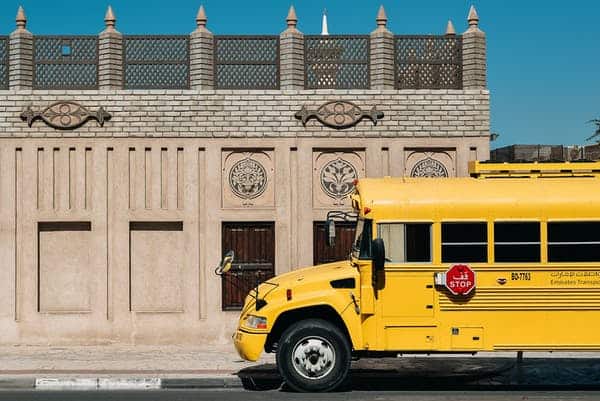
U.S. school buses collectively travel more than four billion miles every year. Thanks to safety training and steady innovation in the school bus industry, these buses are safer, cleaner, and more efficient than ever.
With nearly 26 million children riding to and from school each day, keeping every trip safe is a daily priority for districts. From stop arm violations to blind spots, a handful of recurring risks deserve close attention. In a recent webinar, Netradyne's Chief Business Development Officer, Adam Kahn, discussed schools' top bus safety concerns. He also explained how video telematics helps districts strengthen their safety culture.
The Basics of Video Telematics for School Safety
Video cameras are common in many school buses today. Typically, schools set them up inside buses to monitor both student and driver behavior. In recent years, manufacturers have integrated video cameras with AI data analytics, GPS tracking, and software.
These advanced solutions gather far more information to help school districts boost their bus safety initiatives and protect students.As a web-based system, video telematics sends data from all cameras and vehicle sensors to an online portal.
Safety managers, fleet managers, dispatchers, and transportation managers can log in to see this information on their laptops, tablets, and smartphones. Drivers can also monitor their own performance through an app that displays a personal scorecard.
Data Collected By Video Telematics
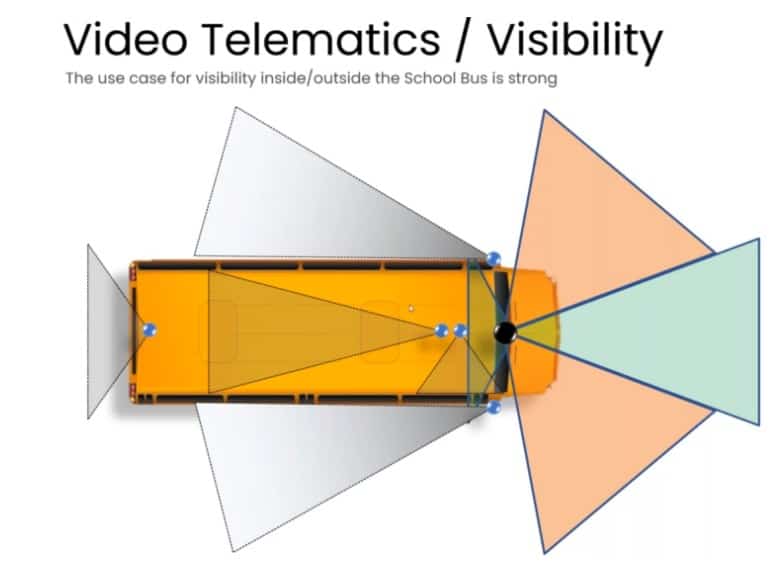
In addition to video footage from inside and outside the bus, video telematics systems collect real-time data. That includes vehicle location and driving events such as rapid acceleration, swerving, and harsh braking), and much more.
How Video Telematics Prevent the Top 8 School Bus Safety Issues
Here's how video telematics helps school districts protect students both on and off the bus.
Stop Arm Violations: School Bus Safety Issue #1
A stop arm violation happens when a motorist illegally passes a stopped school bus. It applies when the bus has its stop arm extended and its red lights flashing to load or unload children. In every state, it's illegal to pass a school bus in that situation. Rules differ on divided highways separated by a physical barrier.
The problem is widespread. According to the NASDPTS annual survey, drivers reported 67,258 illegal passes in a single day.
NASDPTS estimates that projects to roughly 39.3 million illegal passings over a 180-day school year. That's about 10% below the prior year's 45.2 million — the first year-over-year decline on record.
Camera enforcement is expanding, too. At least 30 states now authorize stop-arm cameras, according to the National Conference of State Legislatures (NCSL).
Massachusetts and Oregon added camera laws in 2024, and Colorado, Nevada, and South Dakota followed in 2025. Penalties vary by state; in Pennsylvania, for example, a camera-captured violation carries a $300 civil penalty under PennDOT's automated enforcement law.
Stop-arm cameras create a video of every infraction, and they integrate with video telematics systems. Using predictive analytics — pattern-based risk forecasting — telematics can help anticipate when a violation is likely and alert drivers. For school transportation fleets, that adds another source of video evidence and driver alerts within an existing safety program.
#2: Student Behavior
Whether it's bullying, theft, or inappropriate behavior, a lot happens between student riders every day. Interior bus cameras can capture these interactions and record drivers.
With video footage, schools no longer need to act as referees to resolve conflicting stories. They can run historical video reports to find out exactly what occurred. Playback software includes privacy blurring and synchronizes videos with telematics data.
#3: Properly Trained Drivers
Advanced video telematics systems provide personalized driver training and in-cab safety alerts that help drivers refine their performance. Driver•i's AI analyzes driving time continuously — not just triggered events — and delivers immediate in-cab audio coaching so drivers can self-correct.
When a driver makes an error, an in-cab alert reminds them to slow down, add following distance, or put down the phone. This in-cab driver coaching gives immediate reminders that help build better habits over time.
Based on Netradyne customer data, a 50-point GreenZone score gain drives a 13–15% reduction in accidents per million miles driven (APMM). Recognition-based coaching also supports 2–3× higher driver engagement and retention.
*Individual results and conditions may vary. **Based on customer data.
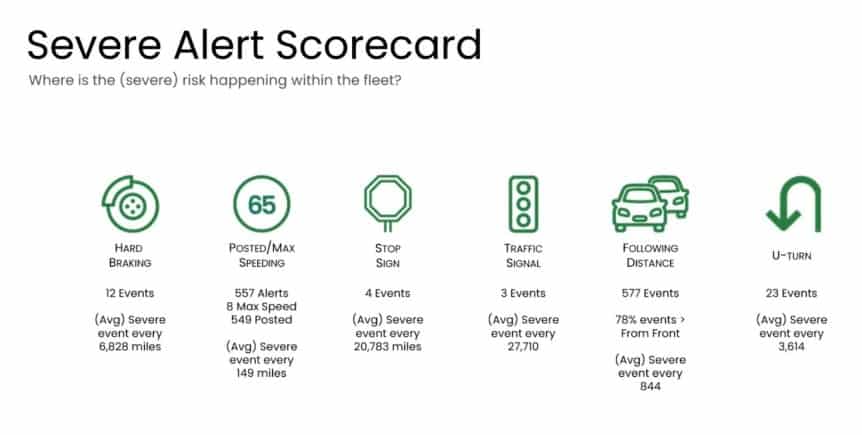
As drivers improve, transportation managers know who to congratulate and reward. Performance across the fleet is also tallied, so managers can see overall fleet safety and the pace of driver improvement.
#4: Rail Crossings
School bus drivers must make a full stop at least 15 feet before crossing railroad tracks, then look and listen both ways. If drivers aren't consistent, they form bad habits that reduce bus safety.
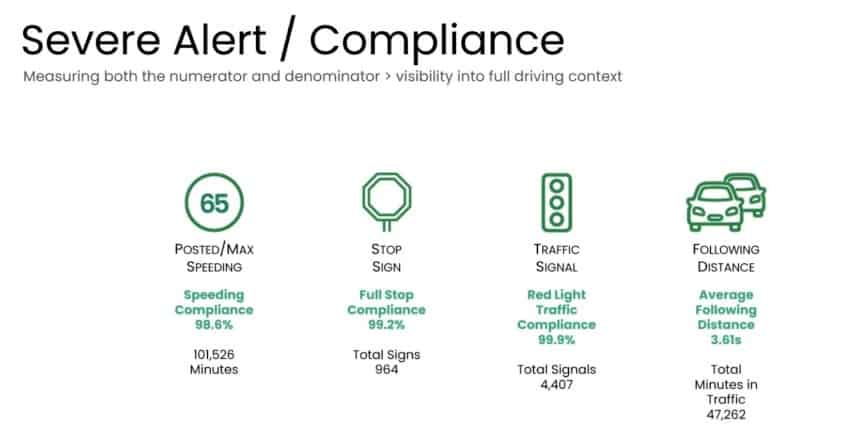
With video telematics, drivers know that everything inside and outside the bus is monitored. Driver•i's advanced driver-assistance system (ADAS) Railroad Crossing Alert gives in-cab alerts when a driver approaches a crossing, helping reinforce safe habits at the track.
#5: Faulty Equipment
Repair costs and vehicle downtime increase maintenance budgets and disrupt scheduling. Video telematics systems include vehicle sensors that reveal vehicle health and maintenance concerns before they become larger repairs. Fleet teams can also schedule and even automate routine maintenance.
#6: School Site and Bus Route Safety
To improve route safety and oversight, districts can review searchable video footage — up to 200 hours on supported systems — alongside GPS tracking. Together, they give districts a map-based view of every bus and live vehicle status such as speed and idling.
Managers can drill down to see video of every location on the bus route. This searchable video supports conversations with drivers and parents about any safety concerns from any location or any trip.
#7: Getting On/Off Bus
The greatest risk to children is outside the bus during loading and unloading, not while they're riding. School bus-related crashes killed 110 people in 2024, down 14% from 128 in 2023. From 2015 to 2024, only about 6% of those killed were bus passengers.
If a student trips, gets injured, or falls, schools need to understand the severity of the event. Videos facilitate conversations about these incidents and clarify what contributed to the injury.
Videos can also audit driver activities. If drivers should follow specific steps during loading and unloading, footage reveals training opportunities.
#8: Caution Around the Bus
School buses have quite a few blind spots. Video monitoring helps school buses prevent blind spot collisions by giving drivers a clear view of what's around the vehicle.
Driver•i can provide up-to-360° multi-camera visibility (on supported configurations) with blind-spot, side, and rear monitoring, plus an optional in-cab display. Rear cameras help confirm no pedestrians are behind the bus, while front views help protect students near the front bumper.
Frequently Asked Questions About Stop Arm Violations
What is a stop arm violation?
A stop arm violation occurs when a motorist illegally passes a stopped school bus. It applies while the bus has its stop arm extended and red lights flashing to load or unload children. In every state, passing a bus in that situation is illegal, though rules differ on divided highways with a physical barrier.
When do drivers have to stop for a school bus?
Drivers should stop when a school bus activates its flashing red lights and extends its stop arm to pick up or drop off children. Yellow or amber lights are a warning that the bus is about to stop, so drivers should slow down and prepare to halt. On a divided highway separated by a physical barrier, drivers traveling the opposite direction generally aren't required to stop. Exact rules vary by state, so check your local law.
What states have school bus stop arm cameras?
According to the National Conference of State Legislatures (NCSL), at least 30 states now authorize school bus stop-arm cameras. Massachusetts and Oregon added laws in 2024, and Colorado, Nevada, and South Dakota followed in 2025.
What is the penalty for a stop arm violation?
Penalties vary by state and by the type of enforcement, and can include fines, license points, and other consequences. In Pennsylvania, for example, a camera-captured violation carries a $300 civil penalty. Because state laws differ widely, check your state's specific rules.
How do school bus stop-arm cameras work?
When a motorist passes a stopped bus, cameras capture video and images of the violation. Many states let districts and their enforcement partners review that footage and issue citations. Integrated with video telematics, these systems can also flag risky patterns and alert drivers in real time.
How does video telematics help prevent stop arm violations?
To reduce stop arm violations, districts can use video telematics to coach drivers and anticipate risky passing situations before they happen. Stop-arm cameras add a video record of each infraction, and Driver•i pairs multi-camera visibility with in-cab alerts to support drivers as they load and unload students.
Next Steps for Safer School Bus Routes
To get more insights, listen to the entire webinar, How Schools are Taking a New Approach to School Safety.
See how Netradyne supports safer routes, loading zones, and driver coaching, schedule a demo today. We'll help you explore what a video telematics program could look like for your district.


Want to protect drivers & reduce costs?
That’s not a trick question. See for yourself with a demo.