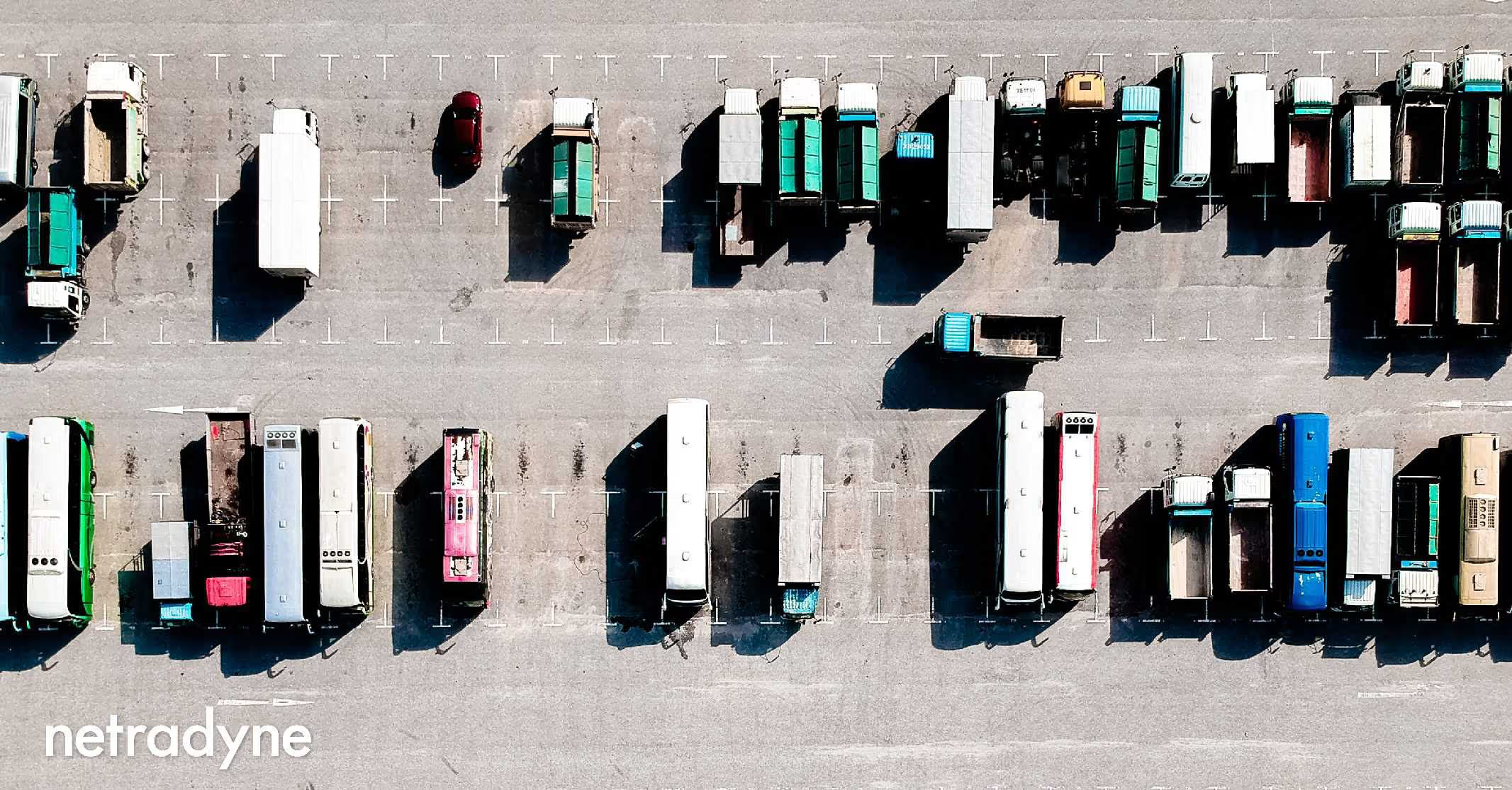
Transporting people, goods, and supplies from Point A to Point B makes fleet management one of the most important skills for any logistics company. With more than 3.5 million truck drivers on the road in the United States, roads are crowded - and the rise of distracted drivers makes road conditions more dangerous than ever. Fleet management is the behind-the-scenes skill powering much of America’s economy today. Fleet management principles are applied across various sectors, such as logistics, public transport, and construction, highlighting its broad relevance.
Encompassing a wide variety of operational tasks that include safety, compliance, logistics, and more, fleet management requires coordination of a massive amount of data. Effective fleet management also involves monitoring and reducing the environmental impact of fleet operations to improve sustainability and meet regulatory standards. In this guide, we cover the basics of fleet management: what it is, why it’s important, and how it benefits your organization.
What is Fleet Management?
What does fleet management mean? Fleet management refers to the operation of multiple vehicles in service of a business. A fleet can be a few delivery trucks for a small business or hundreds of commercial vehicles for heavy-duty transport. Regardless of size, it takes significant logistical and operational skills to coordinate - typically done by one or several fleet managers. Vehicles fleet managers are responsible for acquiring, maintaining, and replacing fleet vehicles to ensure optimal fleet management. Fleet managers must also effectively manage their fleets by using data and forecasting techniques to optimize vehicle acquisition and utilization.
What does a fleet manager do? Fleet managers oversee the everyday fleet operations of moving people, goods, or materials from Point A to Point B. This includes:
- Establishing safety routines and practices
- Performing or scheduling routine maintenance and upkeep
- Tracking vehicle locations and coordinating driver schedules
- Ensuring compliance with government regulations, such as the International Fuel Tax Agreement (IFTA) when crossing state lines
- Managing costs, including fuel efficiency and asset tracking, as part of the fleet manager's responsibility to enhance profitability and operational efficiency
- Overseeing vehicle acquisition and vehicle purchasing, including setting organizational guidelines for acquiring and retiring vehicles as part of overall fleet strategy and optimization
When determining fleet needs and acquisition strategies, vehicle class is an important factor in forecasting vehicle requirements, determining eligibility, and optimizing lifecycle and market timing decisions.
Fleet drivers are the people who make the magic happen. They operate one or more of the vehicles in your fleet, whether it’s a taxi cab or an excavator on a construction site. Fleet drivers:
- Have a valid driver’s license, including a commercial driver’s license (CDL) if needed
- Operate with a clean driving record
- Go through rigorous training in operating vehicles in a variety of terrain, situations, and weather scenarios
- Carry out basic vehicle maintenance, like changing tires or oil
- Stay calm under pressure
What is Fleet Management Software?
Fleet management software primarily collects, stores, processes, monitors, and generates reports on fleet activities throughout the transport cycle. The software collects and analyzes fleet data from telematics and other sources to provide a comprehensive view of operations. It transmits data from vehicles and sensors to cloud-based dashboards, enabling real-time monitoring and reporting. Information about the driver, vehicle, fuel, accidents, and road conditions is reported through these software platforms, which deliver actionable insights to help fleet managers make informed decisions. The software also performs cost analysis to assess and control operational expenses, and helps track key metrics related to fleet performance and efficiency. On the corporate end, the software handles driver performance, communication, compliance, and plays a critical role in monitoring and reducing operational costs. It’s often paired with hardware such as cameras that record driver and road activity. Taken together, fleet management software gives fleet managers and leadership a 360-degree-view of how their drivers and vehicles perform over time.
Common Fleet Types
Many fleets across different industries are adopting advanced fleet management solutions to improve safety, efficiency, and profitability.
The technology fleet managers need varies based on the type and size of the fleet. The most common fleet types include:
- Delivery fleet or small business fleets, such as those for florists, bakeries, catering and food delivery, contractors and smaller construction projects like electricians, HVAC, or extermination, and landscaping
- Transport fleets, such as those for taxi cabs, ridesharing companies, rental cars, or moving vans, which may be in charge of transporting people, goods, or materials across longer distances, and add extra complexity with customers as passengers or drivers
- Trucking fleets typically focus on long-haul semi-trucks that transport high-volume loads over long distances. Because these are often larger and heavier vehicles, they come with additional safety issues and regulations for fleet managers to juggle.
- Commercial fleets vary in size and scope depending on the size of the business. Large-scale cross-country shipping, delivery, moving, and construction all fall under this bucket.
The most common fleet vehicles include sprinter vans, cube vans, tractor-trailers, semi-haul trucks, minivans, pickup trucks, and other cargo vans. The number of vehicles, type of vehicles, industries you operate in, states and countries of operation, and whether or not customers operate or ride in your vehicles all determine the right kind of fleet management software for you. When choosing the right software, it's important to consider asset utilization to maximize the efficiency of your fleet vehicles, as well as asset tracking to reduce downtime and improve operational efficiency.
Types of Fleet Management Software
There’s no one-size-fits-all software for your fleet. Evaluate what matters most to you. Many software solutions, like Netradyne, offer more than one of these features.
- Electronic logging devices: Under the Federal Motor Carrier Safety Administration (FMCSA), drivers must log records of hours on duty using government-compliant electronic logging devices (ELDs).
- Fleet tracking system: Use GPS tracking to understand at-a-glance where each member of your fleet is at any given time, including routes, speed, and location. This may include real-time traffic or weather updates.
- Vehicle fleet management software: Manage vehicle safety, service milestones, and fuel efficiency, so you know when to order more parts or put vehicles in for service. Modern fleet management software also supports route planning to optimize vehicle routes, improve operational efficiency, and reduce costs.
- Digital vehicle inspection tools: Streamline routine vehicle inspections and maintenance with digital vehicle inspection reports (DVIR), helping prevent unexpected downtime and ensuring compliance.
- Electric vehicle management: Monitor electric vehicles in your fleet, including battery health and charging infrastructure, to support sustainability goals and efficient electrification.
- Video telematics and other fleet monitoring solutions: Capture 100% of driving time with in-cab and external cameras that use AI and Edge Computing to “see” the entire picture of the driving experience, delivering a comprehensive driver score.
Core Functions of Fleet Management
Fleet management is built on a foundation of core functions that keep a fleet of vehicles running smoothly and efficiently. At the heart of these responsibilities are vehicle maintenance, driver management, fuel management, and route optimization. Each of these areas plays a critical role in maximizing fleet performance and minimizing unnecessary expenses.
Fleet managers rely on advanced fleet management solutions and software to streamline these core functions. With the right tools, they can schedule and track vehicle maintenance, ensuring that every vehicle in the fleet is serviced on time and unexpected breakdowns are minimized. This proactive approach not only extends the lifespan of fleet vehicles but also helps control maintenance costs and reduce vehicle downtime.
Driver management is another essential function, encompassing everything from onboarding and training to ongoing performance monitoring. By leveraging fleet management software, fleet managers can monitor driver behavior, identify risky habits, and implement targeted coaching programs. This not only improves driver safety but also enhances overall fleet efficiency.
Fuel management is a significant factor in controlling fleet costs. By implementing fuel efficiency programs and utilizing vehicle tracking systems, fleet managers can monitor fuel consumption in real time, identify patterns of excessive fuel usage, and take steps to reduce fuel costs. These insights enable data-driven decisions that directly impact the bottom line.
Route optimization is the final piece of the puzzle, allowing fleet managers to plan the most efficient routes for their drivers. With vehicle tracking and real-time data, managers can adjust routes on the fly to avoid traffic, reduce idle time, and ensure timely deliveries.
By integrating these core functions through comprehensive fleet management solutions, organizations gain valuable insights into every aspect of their operations. This holistic approach empowers fleet managers to make informed decisions, improve operational efficiency, and drive continuous improvement across the entire fleet.
Fleet Operations
Effective fleet operations are the backbone of any successful transportation or logistics business. Managing a fleet of commercial vehicles—whether trucks, vans, or cars—requires constant attention to detail and a proactive approach to both people and assets. Fleet managers are tasked with ensuring that every vehicle is road-ready and that drivers are fully trained and compliant with all relevant regulations.
Modern fleet management systems provide real-time visibility into every aspect of fleet operations. With these tools, fleet managers can track vehicle locations, monitor driver behavior, and optimize routes to maximize efficiency. This level of oversight not only helps reduce costs but also ensures that the fleet operates at peak performance.
A key component of effective fleet operations is the implementation of preventative maintenance schedules. By planning regular inspections and servicing, fleet managers can minimize unexpected breakdowns and reduce vehicle downtime, keeping the fleet of vehicles on the road and productive. Monitoring fuel consumption and driver performance through fleet management software further supports cost control and operational efficiency.
Driver safety remains a major challenge in the industry, and it is a fleet manager’s responsibility to ensure that every driver is equipped with the training and resources needed to operate safely. Comprehensive training programs, combined with ongoing monitoring of driver behavior, help to identify areas for improvement and reinforce a culture of safety.
Ultimately, successful fleet operations depend on the ability to adapt quickly, ensure compliance with industry regulations, and leverage technology to gain real-time insights. By embracing advanced fleet management systems, fleet managers can overcome operational challenges, reduce costs, and drive continuous improvement across their entire fleet.
Benefits of Fleet Management
Integrated fleet management systems give your team peace of mind. By leveraging advanced software solutions, these systems deliver significant cost savings through optimized route planning, real-time tracking, and improved fuel efficiency. By bridging the gap between fleet managers and fleet drivers, employees can work together to create a culture of safety, transparency, and accountability that improves driver performance, increases efficiency, and maintains safe driving practices. Additionally, focusing on driver retention is crucial for maintaining a stable and effective fleet workforce, helping address industry-wide driver shortages and fostering long-term success.
For Fleet Drivers
The American Trucking Association estimates that there will be a shortfall of up to 175,000 truck drivers by 2026. It’s more important than ever to create a culture that supports and encourages your drivers. Incidents will happen - but with the right technology in place, it’s possible to eliminate “he-said, she-said” scenarios and coach drivers to be the best they can be. Electronic logging devices (ELDs) also play a key role in reducing dangerous driving by ensuring compliance with hours of service regulations, which helps prevent fatigue-related incidents and promotes safer driving practices among commercial vehicle operators. That’s why Jay Doescher, the president of Fuchs Trucking, implemented a fleet management program that empowered drivers by rewarding their good behavior. He wanted all 100 of his employees to feel like they were a part of the team.
“We believe that our drivers are as interested in safety and managing their performance as we are. The Driveri program has given our company the opportunity to recognize our high performers and invest in those that could use some additional training.”
- Jay Doescher, President of Fuchs Trucking
Using Netradyne to focus on managing driver performance, Doescher found that installing cameras for their newest drivers or those who needed improvement helped identify risky habits and coach drivers to perform more efficiently. They also gave drivers a chance to opt-in to their rewards program in which drivers could earn hundreds of dollars in bonus based on their driving performance - and building a safety culture that encourages transparency and accountability and motivates drivers to do their best. By investing in their performance and career development, Doescher and his team increased driver performance, reducing speeding and traffic light violations by more than 50%.
For Fleet Managers
Fleet managers have a lot on their plate - between fleet tracking, logistics, driver management, and vehicle maintenance, they’re responsible for keeping fleets moving and on-time. With an effective fleet management solution, improve efficiency without sacrificing safety and compliance. Fleet managers must also monitor the total cost of vehicle ownership, including operating, maintenance, fuel, and depreciation costs, to control budgets and maximize operational efficiency. Keith Wilson from Sharp Transport knew that a lot had changed since founder John Sharp started the company with just one tractor in 1979. They needed a system that kept their fleet safe and protected while optimizing operations.
“Prior to purchasing the Netradyne Driveri system for our fleet, we relied on crash mitigation systems to report unsafe driving behavior and crash data. We vetted several camera systems and decided on Netradyne for the quality of video, ease of use platform and the four-camera system. The forward camera is 1080p resolution and captures incredibly clear video.”
- Keith Wilson
The more data fleet managers have at their disposal, the more informed decisions they can make about operations, prioritizing which metrics to improve and what outcomes matter. Data-driven decision-making also enables fleet managers to optimize market timing in vehicle acquisition strategies, ensuring new vehicles are purchased when market conditions are most favorable for cost efficiency and operational effectiveness. Maintaining accurate operations, driver, and incident records takes the stress out of management and streamlines typical processes like work orders, budgeting, and preventative maintenance. Tackling incident rate as their first improvement metric, fleet managers from Sharp can work directly with drivers to improve safety conditions and build trust - so every employee can focus on the job at hand. Sharp Transport saw accident rates drop by 125% after implementing Netradyne’s fleet management system.
For Fleet Safety
From 2009 to 2018, the number of large trucks and buses involved in fatal crashes skyrocketed by 48%. TITAN Freight Systems noticed a similar alarming trend within their fleet of 47 drivers and 41 trucks. From 2014-2017, incidents tripled - doubling their claims costs and increasing the risk of fatalities. Between increased highway speeds, lower law enforcement budgets, and a rise of distracted drivers on the road, TITAN President Keith Wilson knew they had to do something different.
“If we can save one life, it’s worth it. We had zero deductible events in the last year, and we feel confident that it’s because of the driver behavior that we were able to show them through the AI. The amount we lowered our fleet insurance was more than the amount we paid for the Netradyne Driveri system.”
- Keith Wilson, President, TITAN
That’s why they began a completely new fleet management program with Netradyne, one that flipped the script on fleet safety. By using cameras and AI to monitor driver behavior, telematics data can now identify dangerous practices such as harsh braking, helping fleets proactively improve safety and reduce costs.
Creating a Safety Culture within the Organization
A comprehensive risk management program required first and foremost changing how drivers and managers perceived safety at TITAN.They needed to build a culture that supports and incentivizes safe driving. Making these kinds of changes requires everyone, from senior management to local supervisors, to be engaged - listening to drivers and their needs, understanding what types of incidents they face most commonly, and putting a policy in place that clearly defines acceptable behaviors and unacceptable ones.When an event occurs - whether it is an accident, an infraction, a violation, or exceeding a set organization threshold - it is critical that action be taken immediately to improve the driver's behavior. The action may include driver training, supervisor coaching, or ride-along observations, but it needs to be immediate in order to reinforce safe driving expectations.That doesn't have to be just for negative action. Reinforcing positive behavior, whether that's driving the speed limit, stopping at a stop sign, or moving over for emergency vehicles does more to reinforce positive habits than always focusing on what's going wrong. It's proven that when drivers are appreciated for their good work, a company's productivity rises.A fleet safety program with built-in positive recognition will facilitate this culture of safety, increase drivers' motivation and productivity, retain top performers, and improve your company's bottom line. With access to the complete picture, TITAN was able reduce unsafe events by 77% in 10 months of use. The results were a dramatic drop in claims costs (down 79%) and collision-related incidents (down 50%).
How to Implement Safe Driving Practices
What does a safety culture look like in practice? The best fleet management system takes the guessing game out of the equation. Advanced in-cab video cameras like Netradyne "see" 100% of driving time, compiling all driving events into a driver score for managers to easily see the best and worst performers. It also has real-time alerts to correct and coach risky behavior.With this kind of technology in place, you can:
- Create bite-sized goals: Focus on one driving metric at a time. It's overwhelming to ask a driver to suddenly change everything about how they drive - so start with something specific, like distracted driving or speed limits. Once that goal is achieved, you can focus on something new.
- Gamify your fleet: Increase a sense of engagement and accomplishment with a points-based system that translates to cash or prize incentives for great driving.
- Reward positive behavior and recognize your best drivers: Set the tone that positive driving behavior earns perks. We've seen time and time again that a nominal cash reward or prize incentive can accelerate change.
- Coach drivers on safer driving habits: Rather than focus on analyzing incidents after they happen, prevent them with technology that evaluates driving in real-time, alerting teams to risky behavior. Once TITAN enabled interior cameras in the cabs of their fleet, they saw a 96% reduction in distracted driving alerts in just two weeks. The AI within Driveri accurately captured distracted driving events, and the system provided in-cab alerts so the drivers could adjust their behavior.
What Top Fleet Vehicle Maintenance Programs Do
How to improve fleet management? The best fleet maintenance programs provide a holistic approach to fleet management. Successful teams follow these tips for fleet management:
- Prevent accidents before they happen: Real-time alerts and driver behavior scoring gamify the driving experience and give drivers incentives for positive and safe driving practices.
- Keep vehicles in tip-top shape: Tracking vehicle usage, upcoming service, recalls, and more gives you the ability to proactively maintain vehicles, making them more efficient and safer. Fleet management companies can also provide specialized solutions and expertise to help improve fleet maintenance and overall efficiency.
- Decrease fleet insurance policy and claims costs: From 2010 to 2018 the size of verdict awards grew 51.7% for low- to medium-risk carriers. Fleet management technologies also provide risk management, rapidly reducing claims, accidents, and incidents, and decreasing insurance costs. Plus, many insurance companies offer benefits and discounts when using fleet management software like Netradyne.
- Increase profitability: Predictive maintenance and use of AI-based fleet management technologies like telematics reduces costs by 10-40%, downtime by 50% and capital investment by 3-5%.
- Deliver a best-in-class customer experience: At the end of the day, what keeps your company in business is making sure people, goods, and materials get where they need to on-time and safely. Using a comprehensive fleet management system makes it easy to focus on the customer.
Final Thoughts
Fleet management takes a lot of experience and know-how. But with effective fleet management software like Netradyne, you’re already halfway there. Apart from offering a comprehensive platform for your communication and fleet safety needs, Netradyne offers the chance to boost your fleet performance with immediate results. Netradyne provides cutting-edge technologies in AI, ML and Edge Computing to help reduce accidents by creating a new safe driving standard for commercial vehicles. Our industry solutions reduce driving incidents and protect against false claims. We empower drivers by providing them with more awareness of risky driving behavior and reward safe driver decision-making. By capturing and analyzing every second of driving time, the Driveri vision-based safety solution provides unmatched visibility to fleet performance.
Executive leadership, such as a vice president of transportation, plays a key role in endorsing and overseeing the adoption of fleet management solutions to ensure strategic alignment and successful implementation.


Want to protect drivers & reduce costs?
That’s not a trick question. See for yourself with a demo.