.avif)
Driver retention is a fleet’s ability to keep qualified drivers on the roster and reduce avoidable exits. High carrier-level turnover forces constant recruiting and onboarding. That remains true even when many drivers stay in trucking and simply switch employers.
For long-distance truckload fleets, that churn is often severe. OOIDA analysis notes that major truckload carriers sometimes report annual turnover of more than 90 percent.
The National Academies’ 2024 review of ATA survey data found average annualized turnover of 92.7% for large truckload carriers (Q3 1996–Q1 2023). Smaller truckload carriers averaged 77.6% over the same window.
The same research notes that about 82% of for-hire heavy-duty drivers stay in the occupation year to year. High turnover is often carrier-to-carrier movement, not a mass exit from trucking.
The cost adds up quickly. A 2024 driver job-market snapshot estimated the cost of losing one driver at $12,799.
That snapshot also ties frustration to earnings and day-to-day management. Among drivers who complained about compensation, 60% cited a lack of miles. Among job-seeking drivers, 81.9% wanted predictable pay.
Among drivers with operations issues, 72% blamed poor communication with their fleet manager.
Those pressure points matter when you design a driver retention program. Drivers leave when miles, pay predictability, time at home, and supervisor communication fall short. Respect, fair coaching, and clear recognition of good work help close the gap between what fleets promise and what drivers experience on the road.
Below are five driver retention strategies you can put to work this year. Use them to raise job satisfaction, strengthen safety habits, and reduce costly truck driver turnover.
5 Driver Retention Strategies That Reduce Truck Driver Turnover
Recognize Positive Driving to Improve Driver Retention
Positive driver recognition means scoring and celebrating safe behaviors, not only flagging mistakes. Drivers then see a growth path worth staying for.
When drivers get positive reinforcement for safe driving, they are more likely to repeat safe habits. Over time, that pattern supports long-term safety compliance and fewer preventable incidents.
Build a driver retention program that shows drivers what they do right. Netradyne’s AI-powered camera system captures positive and risky behaviors so managers coach with full context. Each strong behavior contributes to a driver’s GreenZone Score, which makes progress visible and improvement concrete.
Fleets using recognition-based coaching have seen 2–3× higher driver engagement and retention.** A 50-point GreenZone Score improvement has been associated with a 13–15% reduction in accidents per million miles (APMM).*
When drivers see fair recognition and tracked growth, job satisfaction rises and tenure is easier to protect.
* Individual results and conditions may vary. ** Based on customer data.
Reward Top Performers in Your Driver Retention Program
A driver retention program should make high performers visible and keep reward criteria transparent. If you want stronger retention, create a driver incentive program that rewards positive behaviors and strong GreenZone Scores.

Start simply: announce wins and high scores in the company newsletter. Treat top drivers to lunch, or create monthly awards tied to clear safety and performance milestones. When budget allows, use gift cards, cash bonuses, or other rewards that ease everyday expenses.
Drivers who know good work is seen and rewarded are more likely to turn safe choices into lasting habits. Consistent recognition and rewards help you keep experienced talent without relying on recruiting alone.
Invest in Ongoing Driver Training and Coaching
Ongoing coaching from real driving context keeps skills sharp long after onboarding ends. Set a budget for new-hire training and continuous development, then ground both in video from the road.
Netradyne analyzes 100% of driving time, so coaches see positive examples and risky moments, not only hard-brake clips. Real-time audio coaching helps drivers self-correct in the moment. Managers can coach remotely with full video context.
Drivers can review events on their own schedule through driver self-coaching. Use strong-behavior footage as models new hires can emulate. Use risk events as clear lessons on what to avoid.
Continuous, fair coaching engages drivers in their own improvement and supports a more stable roster.
Ask for Driver Feedback and Act on It
Drivers stay longer when they help shape the tools and training they use. Involve drivers as you build training programs and roll out in-vehicle technology. Ask whether coaching helps their skills and what would better fit the work they do each day.
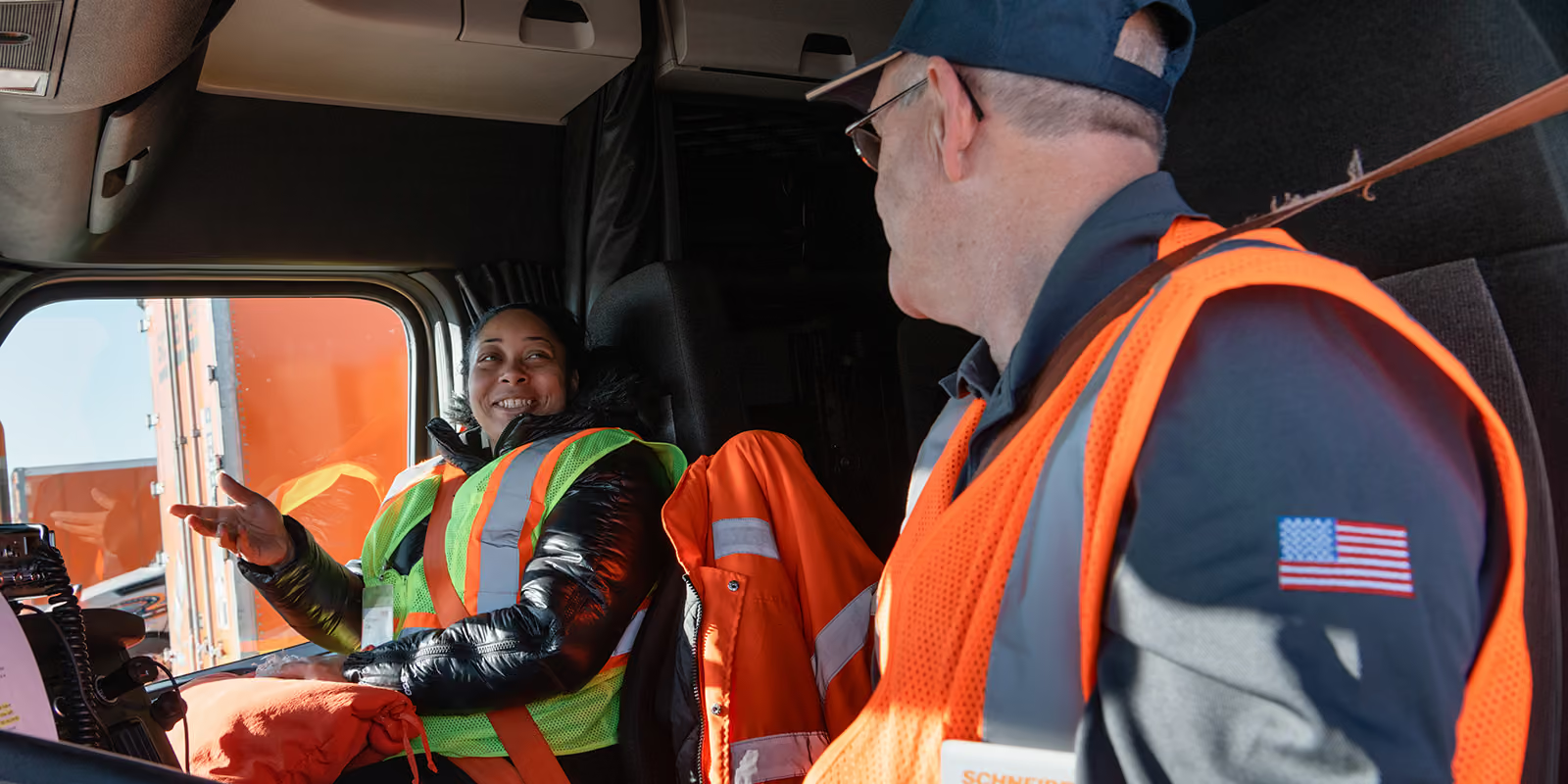
Before you introduce Driver•i fleet cameras, brief drivers on how the system protects them, supports fair coaching, and reduces one-sided blame after incidents. After rollout, ask whether they notice a difference in feedback quality and day-to-day support.
Open every conversation so honest opinions feel safe. When you act on what you hear, feedback becomes a retention tool instead of a suggestion box that goes nowhere.
Develop a Strong Safety Culture That Supports Retention
Every retention effort should feed a strong fleet safety culture. Training, technology, incentives, and coaching work best when they share one goal: fewer preventable incidents and fair, consistent support for drivers.
Educate drivers on core rules, defensive driving, and habits that creep in over time. Base programs on your fleet’s real routes, equipment, and recurring risks so the culture matches daily work.
Pair proactive prevention with positive recognition so drivers experience safety as a path to respect, not only a list of penalties. A culture built on trust, clear expectations, and recognition-based coaching makes the job more sustainable and helps experienced drivers stay.
Final Thoughts: Build a Driver Retention Program That Lasts
Truck drivers are central to safe, reliable transportation, so their safety and satisfaction deserve sustained investment. The five strategies above help you strengthen driver retention, reduce truck driver turnover, and improve how teams coach on the road.
Prioritize continuous training, transparent rewards, two-way feedback, and a safety culture that recognizes good driving. Together, those practices build trust and reliability that recruiting alone cannot replace. Explore Netradyne's fleet safety platform or book a product demo to put recognition-based coaching and full-context video to work in your driver retention program.
Driver Retention FAQs
1. What is driver retention?
Driver retention is a fleet’s ability to keep qualified drivers employed and reduce avoidable exits. It is measured at the carrier level. It is not the same as whether someone leaves the trucking occupation entirely.
2. Why is truck driver turnover so high at many fleets?
At many long-distance truckload carriers, annualized turnover has long been very high. OOIDA’s churn analysis notes rates sometimes above 90% at major truckload fleets. The National Academies synthesis associates higher turnover with earnings variability, frontline supervision, and time at home. PDA/Conversion’s 2024 snapshot also highlights lack of miles, demand for predictable pay, and poor fleet-manager communication.
3. How much does truck driver turnover cost?
Costs vary by fleet. A 2024 PDA/Conversion snapshot reported by The Trucker estimated $12,799 to lose one driver. Treat that figure as an industry estimate, not a universal cost for every operation.
4. How does a strong safety culture support driver retention?
A strong safety culture pairs clear expectations with fair coaching and recognition of safe work. Drivers who trust that feedback is consistent, and that good driving is seen, are more likely to stay engaged. Training, incentives, and technology should all reinforce the same prevention goals.
5. How can fleet technology support a driver retention program?
Fleet technology supports retention when it protects drivers, makes coaching fair, and makes good driving visible. Platforms that analyze full drive time, surface positive behaviors alongside risk, and enable self-coaching help drivers improve without feeling that systems exist only to catch mistakes. Pair those tools with clear communication before rollout and ongoing feedback after.


Want to protect drivers & reduce costs?
That’s not a trick question. See for yourself with a demo.