Oil and Gas Fleet Management: How to Build a Safer Fleet
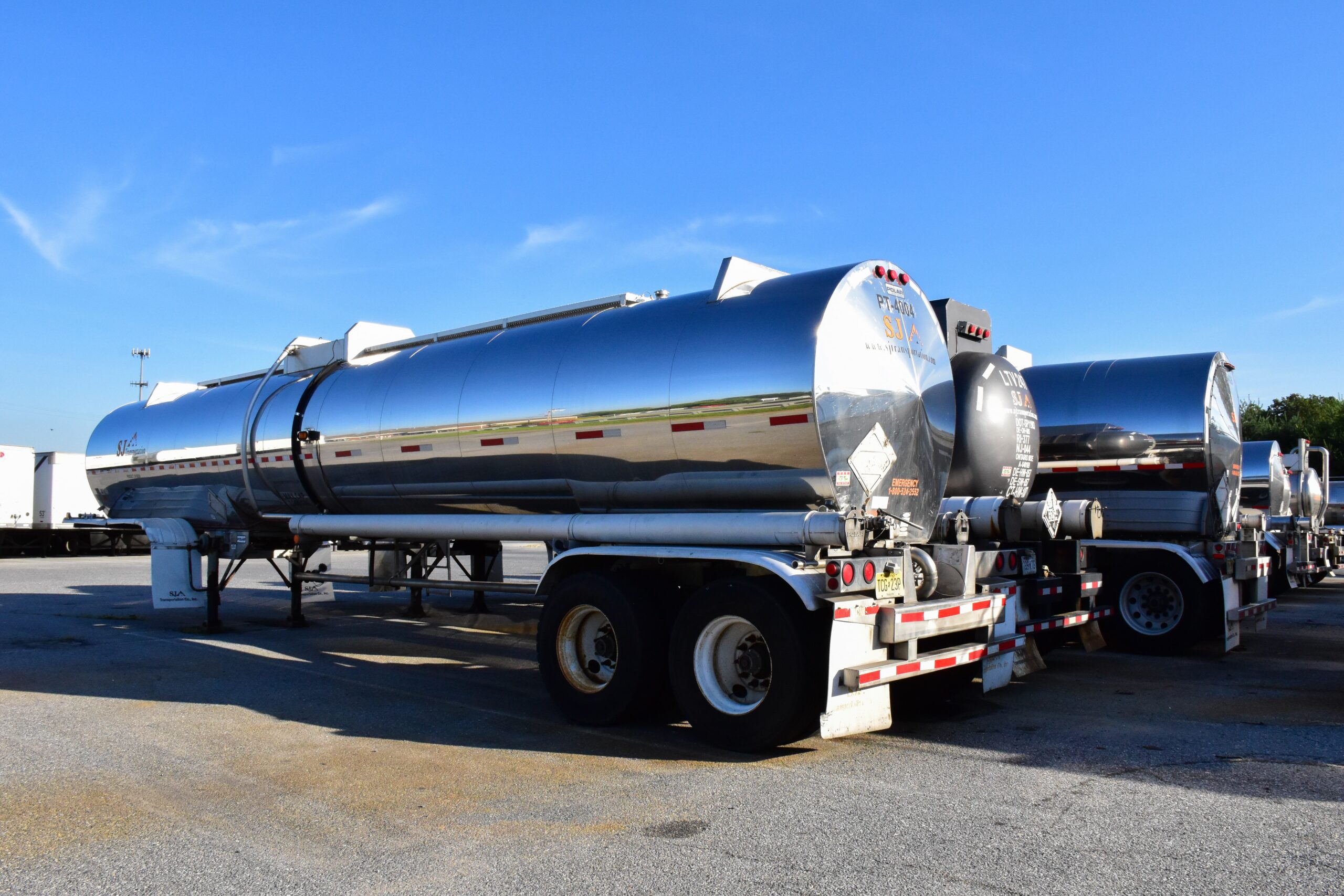
Oil and gas fleet management is an essential part of running successful operations in the oil and gas industry. Every day, hundreds of fleets transport hazardous substances thousands of miles all over the world.
Making safety the top priority on these trips is vital. It helps you with maintaining compliance, reducing costs from lost productivity, and limiting liability from incidents. The stakes are high: transportation incidents were the leading cause of workplace deaths in the U.S. in 2024. They accounted for 1,937 fatalities, or 38.2% of all fatal work injuries.
Fleet managers, operations managers, directors of safety, and their peers need to understand why safety is critical in this work. Oil and gas fleet management also reaches well beyond driver safety. It spans vehicles and heavy equipment, preventive maintenance, and regulatory and HSE compliance. It also impacts fuel and cost control, dispatch and routing, and performance analytics across dispersed, often remote sites.
Key risk factors in oil and gas fleet management
The oil and gas industry faces a wide range of safety risks that can threaten the success of its operations. These threats range from external hazards such as electric lines and heavy equipment to internal dangers such as overworked drivers. To protect their workers from accidents and harm, fleet managers need to stay aware of threats such as:
- Vehicle collisions
- Struck-by/caught-in/caught-between
- Explosions and fires
- Falls
- Confined spaces
- Ergonomic hazards
- High-pressure lines and equipment
- Electrical and other hazardous energy
- Machine hazards
Benefits of an oil and gas fleet management and safety program
Safety initiatives help you reduce incidents while lowering operating costs. They protect drivers and infrastructure from typical industry risks. The long-term advantages can also be significant.
When you invest in high-quality equipment, close monitoring, and driver education, you reduce risk and improve uptime. You keep your team safe while growing business success along the way.
Here's what you can achieve through better oil and gas fleet management:
Protect your drivers and the public.
When you take proactive measures for your drivers' safety and identify risky driving at the source, you protect your business and others on the road. This matters well beyond your own cab. Most people killed in large-truck crashes in 2024 were outside the truck.
In fact, 5,340 people were killed in large-truck crashes, and 70% of them were occupants of other vehicles. That's a clear reminder of your third-party liability exposure. A fleet safety program powered by smart fleet management technology helps you and your drivers identify the risks you face and avoid them in the future.
Safe driving behavior can save you on operational costs.
A fleet safety program helps your drivers identify what safe driving looks like and repeat that behavior. Safe driving reduces wear and tear on vehicles and prevents crashes on the road. Your company saves money and time on repairs, and you get more use out of every vehicle.
Ensure you complete your jobs efficiently.
Protected and well-rested drivers can complete trips without delays or sudden hazards. Each vehicle's job finishes on time, and any following jobs stay on schedule.
Protect your company during daily operations.
Well-maintained vehicles and safe drivers help you build a reliable reputation. Your business also protects the public from hazards, which benefits your overall reputation.

Building an oil and gas fleet management and safety program
Follow these steps to implement a fleet safety program for your oil and gas business:
Establish your fleet's goals and needs
Look at the status of your vehicles, driver performance, and servicing feedback. What goals and needs should you focus on? Should you start by building a better safety culture among drivers? Do your managers need more organized data about vehicle journeys to make better decisions?
Goals often span several areas at once. These include safety, maintenance and uptime, compliance and HSE, fuel and operating costs, and analytics. Start with your goal and work backward to clarify your fleet's needs.
Prioritize driver safety
Drivers who drive defensively and follow the rules keep everyone on the road safer. Beyond coaching performance, give drivers enough breaks to prevent fatigue. Make sure they get adequate rest between shifts and avoid long work hours. Your vehicles should also stay in top shape through preventive maintenance.
Distraction remains one of the most preventable risks on the road. Distraction-affected crashes killed 3,208 people in 2024. The share of drivers manipulating hand-held devices rose to 4.5%, up 104% since 2015.
That trend makes a strong case for real-time monitoring that catches distraction as it happens. It also helps to recognize the good. Rewarding safe driving, rather than only flagging risky events, has driven 2-3x higher driver engagement and retention, based on Netradyne customer data.
Protect your drivers and business by investing in external cameras for your vehicles and equipment. These camera systems guide operators to their destination with clarity. They also provide a reliable video account showing that the right product was delivered on time — an important factor when transporting hazardous material. With these smart cameras, you'll receive real-time alerts if unsafe behaviors such as smoking occur, adding an extra layer of security throughout the delivery process.
Find fleet management software that captures and organizes reliable data
Your goal is to understand what's happening across every mile and coach drivers before small habits become incidents. Choose technology that helps your drivers improve while they're on the road, not just after a trip ends.
When you evaluate a platform, look for a few core capabilities:
- Real-time safety detection that catches risk as it happens
- GPS and asset tracking for vehicles and equipment
- Maintenance and inspection workflows, including digital DVIR
- Compliance and HSE reporting that stays audit-ready
- Dashboards and KPIs that turn data into decisions
- Integrations with ERP, fuel, maintenance, and BI systems
Netradyne's Driver•i platform fits the safety and telematics layer of this stack. It uses Vision AI — computer vision that analyzes the road and driver behavior in real time — to review 100% of driving time instead of only triggered events. When it detects risky behavior such as distracted driving, it delivers real-time, in-cab audio coaching. Drivers can self-correct in the moment rather than waiting for a review days later.

Driver•i also tracks vehicles via GPS. That gives managers the location data they need to reroute traffic or warn drivers of hazards as they happen. The AI is built on more than 25 billion miles of driving data. According to Netradyne's internal validation, it delivers up to ~99% alert accuracy, which means fewer false positives and coaching your drivers can trust.
Based on Netradyne customer data, fleets that improve their GreenZone score — Netradyne's driver-safety scoring metric — by 50 points have seen a 13-15% reduction in accidents per million miles. That's a direct link between better data and safer roads. *Individual results and conditions may vary.
Final thoughts on oil & gas fleet safety
Oil and gas companies need to anticipate the hazards that can threaten the safety of their fleets. A comprehensive safety program covers all potential risk areas, provides training, and encourages reporting of harmful behavior. Together, these steps help reduce risk.
No matter how advanced these programs become, they still depend on efficient management. Without it, any oil and gas fleet will face operational issues and increased safety hazards.
If you want to set up a more secure system for managing your own oil and gas fleets and don’'t know where to begin, explore Netradyne's fleet safety management system. It focuses on helping organizations reduce risk with AI-powered technology.
Frequently asked questions about oil and gas fleet management
What is oil and gas fleet management, and what does it include?
Oil and gas fleet management is the practice of running and protecting the vehicles, equipment, and drivers that support field operations. It covers powered vehicles, heavy equipment, trailers, and other non-powered assets, along with the drivers who operate them. It also spans maintenance, compliance and HSE, fuel and cost control, dispatch, and performance analytics across dispersed sites.
What challenges are unique to oil, gas, and mining fleets in remote or harsh environments?
These fleets often operate at remote, dispersed sites with limited connectivity and rugged terrain. Vehicles carry hazardous loads and run in extreme heat, cold, and dust. Those conditions raise both safety risk and the cost of downtime, so reliable monitoring and maintenance matter even more.
How can fleets track vehicles, heavy equipment, trailers, and other assets across dispersed sites?
Use GPS telematics to track powered vehicles and their routes in real time. Add asset trackers or tags to monitor non-powered trailers and equipment that lack an onboard system. The real value comes from bringing all of that data together, no matter where it comes from. Whether it's streaming from an OEM telematics unit, a third-party tracker, or a different brand of device, choose a platform that gives you centralized visibility across your entire operation and every source of data.
How can predictive maintenance, inspections, and diagnostics reduce downtime and costs?
Preventive maintenance schedules help you service vehicles before parts fail. Engine and vehicle diagnostics flag issues early, and digital DVIR inspections keep a consistent record of vehicle condition. Catching problems before a breakdown reduces unplanned downtime and repair costs.
How can route optimization, dispatching, idling reduction, and fuel monitoring lower operating costs?
Efficient routing and dispatch cut unnecessary miles and keep jobs on schedule. Reducing idle time saves fuel and lowers engine wear. Tracking fuel use across the fleet helps you spot waste and hold costs down.
How do oil and gas fleets manage regulatory compliance, HSE, audit readiness, and reporting?
Fleets manage Hours of Service through ELDs and document vehicle condition with inspections and DVIR. They also record incidents thoroughly and keep audit-ready reporting on hand. Consistent documentation makes compliance reviews and HSE audits faster and less disruptive.
What KPIs and analytics should fleets use to measure performance?
Track safety scores, accidents per million miles, maintenance and downtime, fuel efficiency, on-time delivery, and asset utilization. Dashboards help you see these metrics in one place and benchmark performance over time. Clear KPIs make it easier to set goals and show progress.
How should a platform integrate with ERP, HR, fuel, maintenance, and BI systems?
Look for open APIs that let your platform share data with the systems you already use. Good integrations reduce manual entry and keep records consistent across teams. The goal is a single source of truth for fleet, cost, and safety data.
How do I choose the right fleet management or telematics platform for oil, gas, or mining?
Start by matching the platform to your top priorities, whether that's safety, uptime, compliance, or cost. Evaluate safety detection accuracy, asset coverage, compliance and reporting, integrations, scalability, and support. Run a pilot before you commit. For the safety and video-telematics layer, Netradyne Driver•i can fit alongside your broader fleet stack.
How do you build an oil and gas fleet management program?
Start by defining your fleet's goals and needs based on vehicle status, driver performance, and service feedback. Then work backward to prioritize. From there, focus on driver safety through coaching, adequate rest, and preventive maintenance, and add fleet management software that captures reliable data. A program that combines clear goals, driver support, and the right technology gives you the visibility to reduce risk over time.
Can fleet management software detect unsafe driving in real time?
Yes. The goal is to catch risk as it happens and help drivers self-correct in the moment. Netradyne's Driver•i platform supports this with edge AI — AI that processes video inside the vehicle in real time — so it analyzes driving as it happens rather than only recording triggered events. When it identifies risky behavior, it delivers real-time, in-cab audio coaching, and managers get the insights afterward.
How do you reduce distracted driving and driver fatigue in a commercial fleet?
Combine sensible scheduling — adequate rest between shifts and limits on long work hours — with technology that monitors for risk. Driver•i's driver monitoring system detects distraction, drowsiness, mobile phone use, and unbuckled seat belts, then coaches drivers in real time. Recognizing safe driving alongside flagging risky behavior also helps build habits that stick.
What driving behaviors should oil and gas fleets monitor?
Focus on the behaviors most tied to collisions and liability: distracted driving, drowsiness, seat belt use, speeding, and unsafe following distance. Driver•i also captures GPS location and route data so you can respond to hazards as they arise. Monitoring positive behaviors matters too, since recognizing safe driving encourages drivers to repeat it.


Want to protect drivers & reduce costs?
That’s not a trick question. See for yourself with a demo.