Texting While Driving Solutions: 5 Ways to Prevent It Across Your Fleet
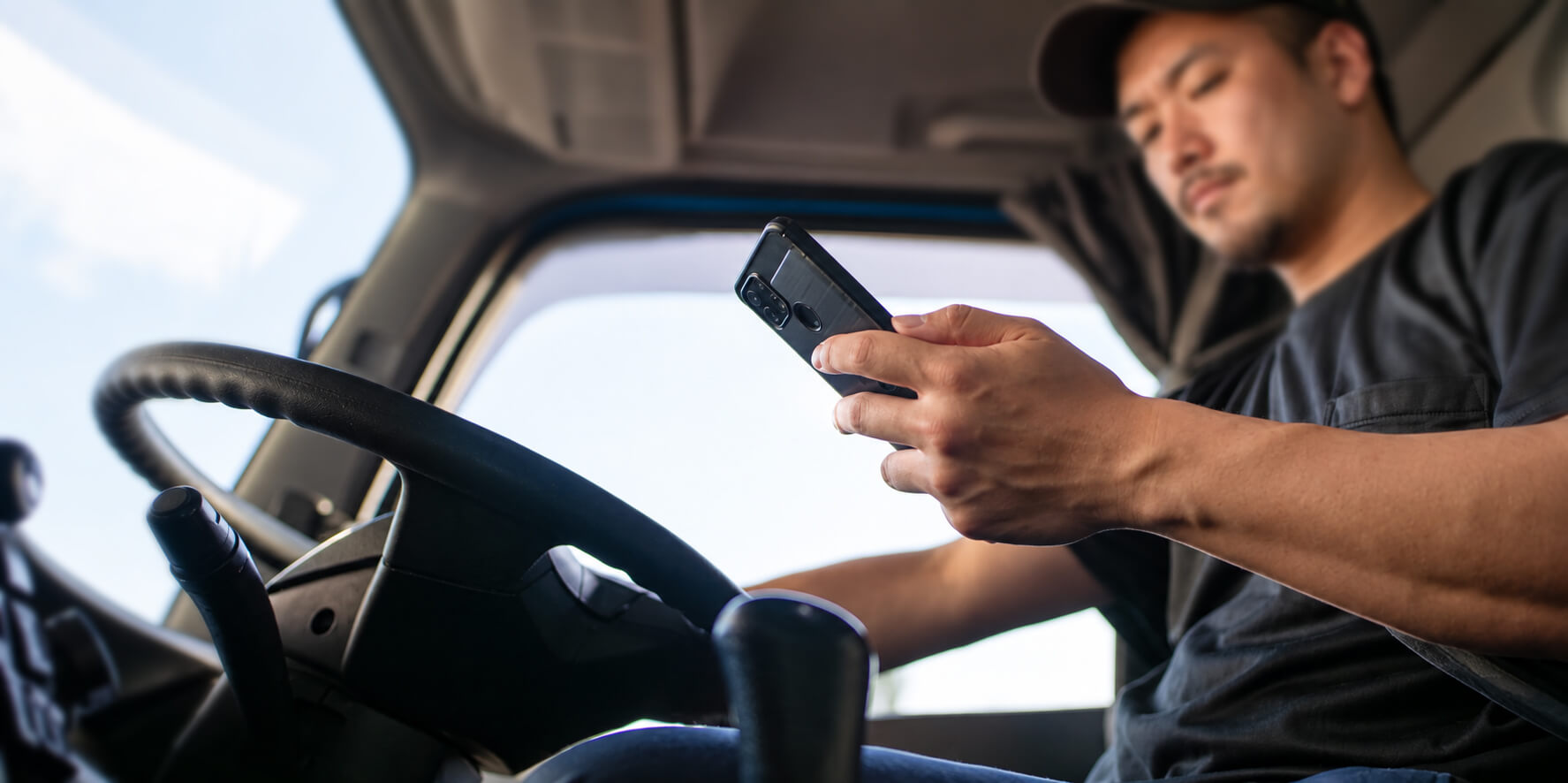
Texting while driving remains one of the most dangerous habits on the road. According to the National Safety Council, there were 3,208 fatalities in distraction-related crashes in 2024. The share of drivers manipulating hand-held devices has also climbed 104% since 2015.
Drivers who use a phone behind the wheel are also 240% more likely to crash. That figure comes from the Governors Highway Safety Association (GHSA) and Cambridge Mobile Telematics (CMT).
The numbers show why fleets need a plan. Below, we break down how cell phones distract drivers — and the texting while driving solutions you can put to work across your fleet.
A Closer Look at Distracted Driving
Most drivers participate in some form of distracted driving, besides texting. This can involve eating behind the wheel or talking to passengers. The common thread is that attention leaves the road, even for a moment.
Phones remain a leading factor. According to the National Safety Council, drivers using cell phones contributed to 14% of fatal distraction-affected crashes in 2024, up from 12% the year before. That trend increases the risk of texting-and-driving accidents across your fleet.
A strong driver safety culture ensures everyone knows how to avoid distracted driving and has the tools to do so. This culture begins with a commitment from management to enforce policies and provide staff with a strong driver safety solution.
How to Stop Texting While Driving: 5 Fleet Solutions
Texting and driving may seem like a minor distraction. But at 55 mph, the 5 seconds spent sending or reading a text takes roughly 5 seconds. That's long enough to travel the length of a football field with your eyes closed.
So how do you prevent it? Here are five solutions.
1. Establish a Driver Safety Culture
A culture of safety starts at the top. When managers and coaches model no phone use behind the wheel, drivers follow. Emphasize all forms of distracted driving in training, not just texting.
Use safety training videos to reinforce the message. Encourage simple habits, too: put the cellphone out of sight and reach, and practice defensive driving on every trip.
2. Ensure Policy Visibility
Rules only work when they're practiced. Explain the reason behind each safe-driving tip, and use a texting-and-driving safety video to make the risk concrete. Your driver safety program should spell out the benefits for drivers, and you should update policies with the latest statistics.
Today, 30 states and DC enforce hands-free laws, according to Cambridge Mobile Telematics. Align your fleet policy to the strictest standard your drivers operate under, and pair it with tools that make the rule enforceable.
3. Create a Driver Rewards Program
Healthy competition motivates safe driving. Offer incentives such as cash prizes or gift cards and publish monthly rankings so drivers can see where they stand.
Recognition and appreciation can be strong motivators — make them a core part of your reward system. Announce your best drivers in a newsletter or email, and ask them to share their own safe-driving tips.
4. Use Technology to Detect Texting While Driving
Technology gives you visibility that policy alone can't. A video-based safety solution or fleet dash cam helps you catch risky moments and turn them into coaching opportunities. Netradyne supports this by capturing driver performance and road conditions, using on-device AI to analyze events immediately.
The payoff is faster driver correction. Driver•i's Driver Monitoring System spots phone handling and distraction as it happens, then delivers immediate in-cab audio coaching so drivers can fix the behavior themselves. It analyzes all driving time, not just flagged events.
It can also flag compound AI alerts, which identify several risky behaviors happening together — for example, phone use combined with speeding or tailgating.
Netradyne's internal data shows the impact. Fleets that improve their GreenZone® score — Netradyne's overall measure of safe driving — by 50 points see a 13–15% reduction in accidents per million miles.*
5. Implement a Driver Coaching Program
Coaching can be an effective way to change behavior — and technology makes it less invasive. To speed up driver correction and reduce supervisor workload, Driver•i sends real-time reminders and notifications that alert drivers the moment the app catches texting and driving.
The platform displays each driver's GreenZone® score in real time alongside tips for improvement, giving drivers immediate guidance to improve safely. A consistent program builds transparency and trust, creating a foundation for coaching and further improvement. It's a hidden benefit of dash cams: they don't just record, they help drivers get better.
Individual results and conditions may vary.*
Final Thoughts on Texting While Driving Solutions
If you’'re serious about finding ways to prevent texting and driving, you need to establish a driver safety program. Be sure to emphasize the dangers of this behavior as a leading cause of distracted driving.
There's encouraging news, too. Cambridge Mobile Telematics reports that distracted driving fell 8.6% in 2024, preventing an estimated 105,000 crashes. With consistent policies and the right tools, your drivers can improve and protect lives on the road.
Texting While Driving Solutions: FAQ
What are the most effective solutions for texting while driving in a fleet?
Combine a clear no-phone policy, driver coaching, recognition, and in-cab detection technology. AI dash cams such as Driver•i detect phone use in real time and coach drivers to self-correct.
How common is texting while driving today?
The share of drivers manipulating hand-held devices rose 104% between 2015 and 2024, according to the National Safety Council. At the same time, Cambridge Mobile Telematics found that overall distracted driving fell 8.6% in 2024.
How can fleet managers detect texting while driving?
AI-powered driver monitoring analyzes all driving time, not just flagged events. It flags phone handling and distraction — including Compound AI Alerts, which catch phone use combined with speeding or tailgating.
Is texting while driving really that dangerous?
Yes. Drivers using phones are 240% more likely to crash, according to GHSA and CMT.


Want to protect drivers & reduce costs?
That’s not a trick question. See for yourself with a demo.