Distracted Driving Is Your Fleet's Biggest Preventable Risk. Here's How to Stop It.

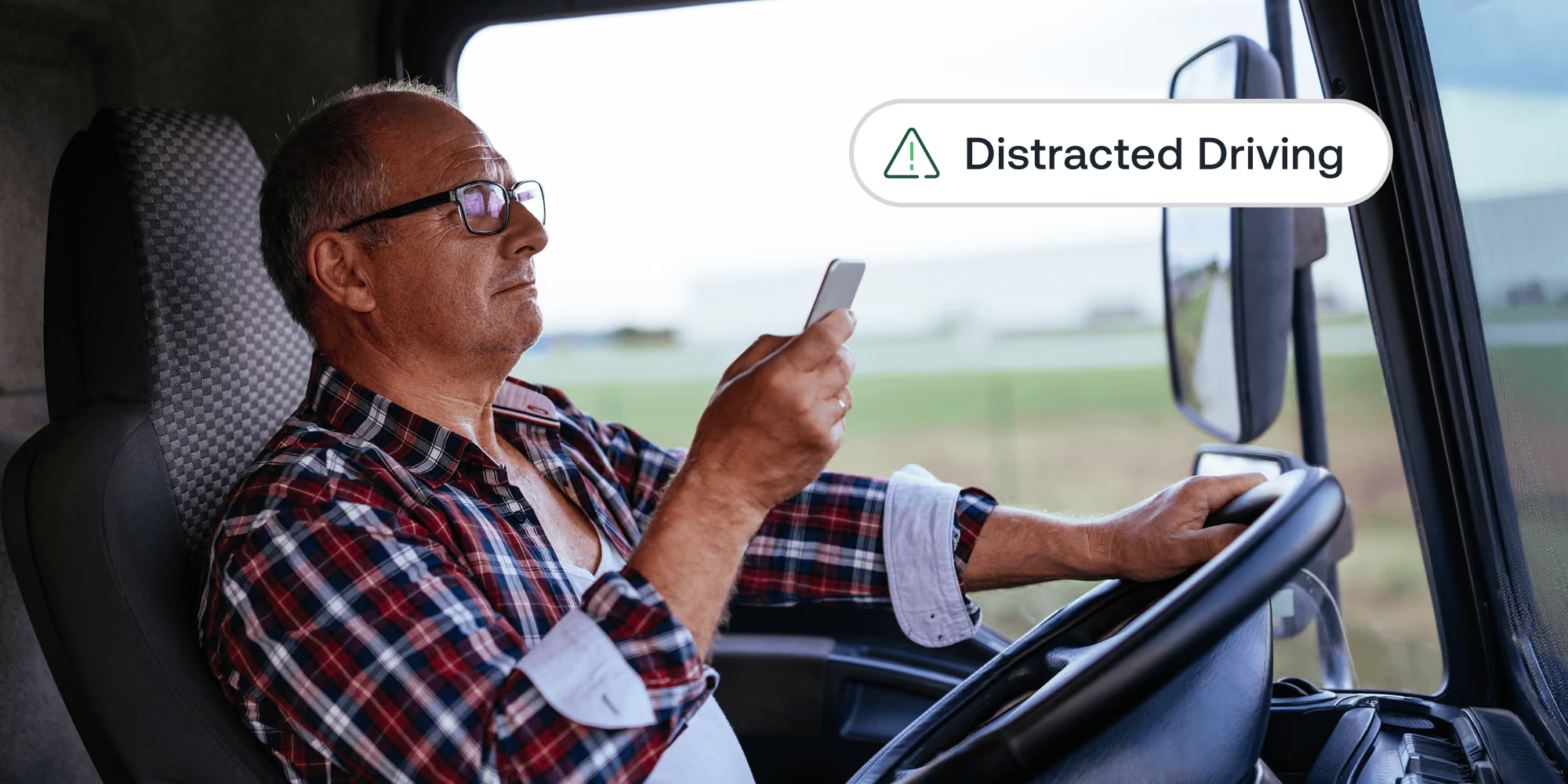
Every fleet manager knows the feeling. A driver who's been with the company for years. A clean record. One moment of distraction — and suddenly there's a collision, a claim, and a conversation nobody wanted to have.
Distracted driving is one of the leading causes of preventable accidents on U.S. roads, and commercial fleets bear a disproportionate share of the risk. But here's the thing: it's also one of the most preventable risks in your fleet. With the right strategy and technology, you can stop most incidents before they happen — and respond decisively when you need to.
What is Distracted Driving?
The National Highway Traffic Safety Administration (NHTSA) defines distracted driving as any activity that diverts attention from the primary task of driving safely. They are typically grouped into three core categories:
- Visual Distraction (Eyes off the road –example – looking at phone)
- Manual Distraction (Hands off the wheel – example – holding phone in hand)
- Cognitive Distraction (Mind off driving – example – talking on phone)
Any of these distractions could result in at minimum, bad public perception and at worst, a catastrophic collision.
It's a Systems Problem, Not a Driver Problem
It's tempting to frame distracted driving as an individual failure. But when it's happening consistently across your fleet, it's a systems problem that demands a systematic solution.
Demanding schedules pressure drivers to check messages on the go. Long shifts create fatigue that degrades attention. And most traditional camera systems only capture triggered events, leaving safety teams reacting to clips days later with incomplete context. By the time you know there's a problem, the damage is already done.
Stop Distracted Driving Before It Starts
The most effective distracted driving programs share a few things in common. They build awareness before drivers get behind the wheel, using pre-trip protocols and ongoing training so drivers understand why distraction is dangerous — not just because it's against policy.
They move from reactive to proactive coaching. Real-time in-cab alerts let drivers self-correct in the moment, before a distraction becomes a near-miss. Netradyne analyzes 100% of drive time — not just triggered clips — so safety teams can identify distraction patterns early and coach before an incident occurs.
In-cab distraction alerts help drivers promptly correct their actions, shifting management conversations from reprimands to positive feedback, such as acknowledging quick corrections like putting the phone down. Creating a supportive environment will result in a better, more positive work culture.
And critically, they recognize safe behavior, not just mistakes. Punitive programs drive disengagement and turnover. Recognition-based coaching — through tools like GreenZone® Score and DriverStars — keeps drivers motivated and invested in your safety culture. As one Netradyne customer put it:
"Drivers don't realize how often they are looking away from the road ahead. Once we show them the videos, they are more aware of their actions and start working on reducing their distracted driving."
When an Incident Does Happen
Even the best prevention programs can't eliminate every incident. When distracted driving leads to a collision, how you respond determines the financial, legal, and operational outcome.
The priority is securing video immediately — not just a triggered clip, but the full context of what happened and the minutes leading up to it. That footage is what separates a resolved claim from a nuclear verdict. It's what exonerates a good driver and shuts down a fraudulent one. And it's what gives your safety team the root cause data to prevent the next incident, not just document this one.
The Business Case for Getting This Right
The financial stakes extend well beyond repair costs. A single serious accident can trigger insurance premium increases, DOT scrutiny, and legal exposure in the millions. Fleets relying on trigger-only clips and punitive coaching programs aren't just creating safety risk — they're creating liability exposure every day their drivers are on the road.
The fleets winning on safety are reducing costs, retaining drivers, and earning insurance incentives. Based on our data, a 50-point improvement in GreenZone® Score correlates to a 13–15% reduction in accidents per million miles driven.* That's not a compliance outcome. That's a business outcome.
Want the full breakdown — including a step-by-step incident response framework? Download the complete guide or Book a Demo to see how Netradyne helps fleets turn distracted driving from their biggest risk into their biggest win.


¿Quiere proteger a los conductores y reducir costos?
Esa no es una pregunta engañada. Véanlo usted mismo con una demostración.