How to Improve Safety and Efficiency with School Bus Fleet Management Software
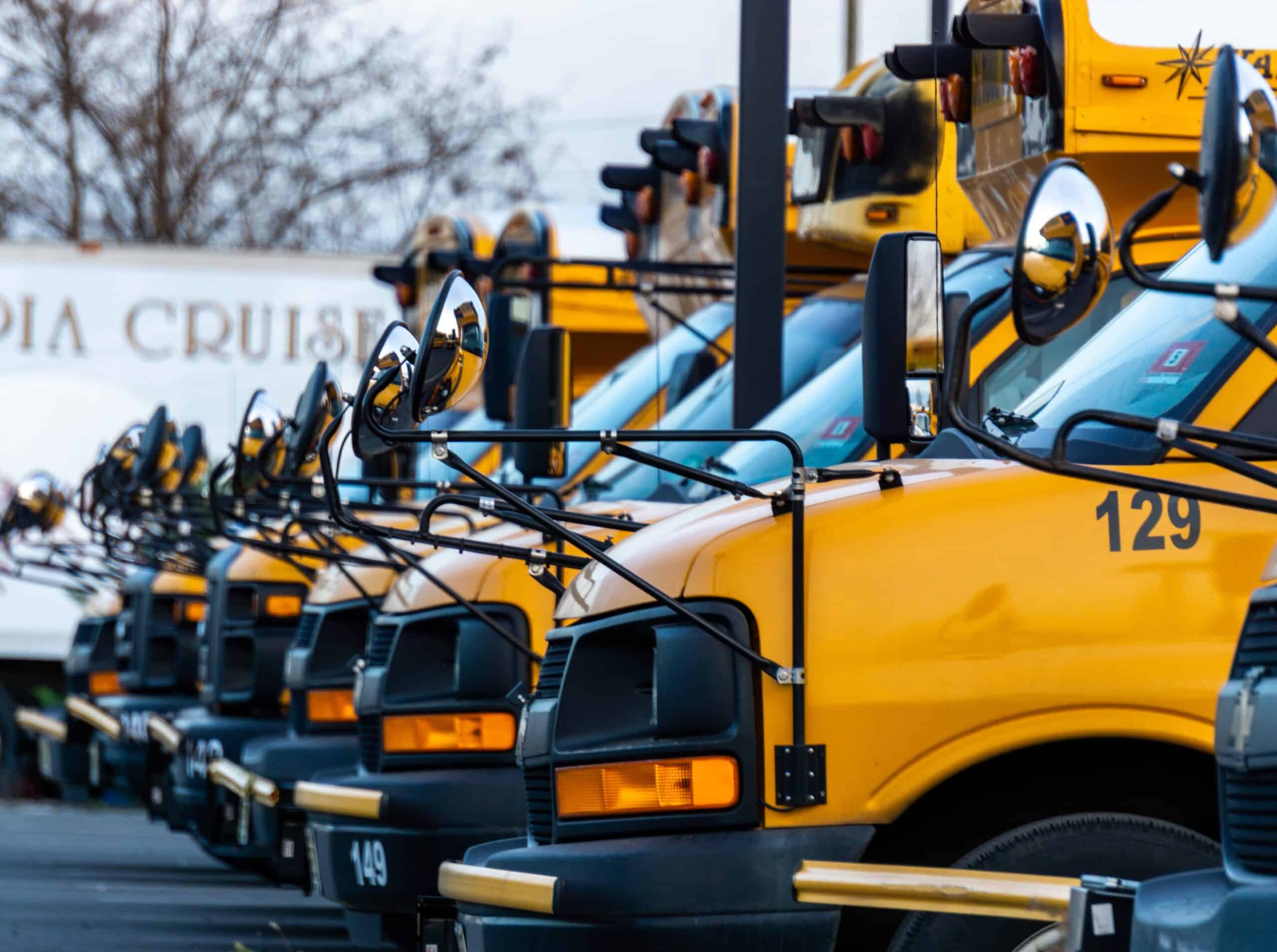
Every school day, an estimated 483,041 yellow school buses carry about 20.3 million students to and from school across the United States. School buses remain the safest way to get children to class, but the roads around them are not risk-free.
In 2024, school bus-related crashes killed 110 people nationwide, down 14% from the 128 deaths in 2023, according to the National Safety Council. Most of those fatalities were occupants of other vehicles and pedestrians, not students on the bus.
That context is exactly why school bus fleet management software has become central to how districts protect students, support drivers, and run efficient operations. This guide explains what the technology does and the benefits it delivers. You'll also see how a safety-built platform like Netradyne's Driver•i helps you put student transportation safety first.
What Does School Bus Fleet Management Software Do?
School bus fleet management software connects cameras, sensors, and vehicle data into one system so you can see what happens on every route. Modern platforms go beyond simple recording. They use AI to interpret driving behavior in real time and turn it into insights your team can act on.
The difference between a basic camera and a modern platform comes down to intelligence. Recording tells you what happened after the fact.
Vision AI understands the road as it unfolds, so your team can prevent incidents rather than just review them. Here are the core capabilities to look for.
High-Definition Video Footage
A multi-camera system captures high-definition video with up to 360° visibility inside and around the bus. High-definition footage gives you a clear, time-stamped record of what happened, helping resolve disputes and speed up claims and accident investigations.
Unlike traditional dash cameras that only save clips after a triggered event, Netradyne's Driver•i analyzes 100% of driving time. That means the platform recognizes positive driving too, not just risky moments.
Data Analytics for Informed Decision-Making
The real value of school bus fleet management software is in the data. GPS tracking and route playback show you where every bus is and how each route unfolded. GreenZone safety scorecards and driver-performance dashboards turn that activity into trends you can coach against.
Audit-ready reporting supports compliance and simplifies board reviews. Integrations with fleet-management, electronic logging device (ELD), and transportation management system (TMS) platforms keep your systems connected, so data flows into one place.
Vehicle data also supports maintenance. Engine control module (ECM) integration and real-time vehicle telemetry flag issues early and support preventive-maintenance scheduling. That helps reduce unplanned downtime and keep buses road-ready.
In-Cab Alerts
In-cab alerts warn drivers of risk while there is still time to respond. Advanced driver assistance system (ADAS) alerts cover collision warnings, following-distance, lane departure, posted-speed, and stop-sign or traffic-light awareness.
Driver monitoring system (DMS) alerts add another layer, detecting distracted driving, drowsiness, and seatbelt use. Compound AI alerts combine multiple signals so drivers get context-aware guidance rather than constant, low-value warnings.
Unique to Driver•i, it gives live positive feedback so drivers can continue their safe driving skills. And drivers like Rashad Hollis of STS Recycling and Insurica appreciate it. Hollis says, “"Once I get the alert, I can go in and fix whatever I need on my own."
What Are the Benefits of School Bus Fleet Management Software?
The right platform translates technology into outcomes that matter to transportation directors, safety leaders, and school boards. Key benefits include:
- Improved student and driver safety: Real-time alerts and coaching help prevent collisions before they happen.
- Faster claims and investigations: Time-stamped video provides a clear record when incidents occur.
- Stronger driver retention: Recognition-based coaching supports the drivers you already have.
- Greater operational visibility: GPS, dashboards, and reporting show performance across the whole fleet.
- Better compliance: Audit-ready documentation keeps your program organized and defensible.
These benefits are measurable. Netradyne customer data shows that recognition-based coaching drives 2–3× higher driver engagement and retention. It also shows that a 50-point improvement in a fleet's GreenZone driver score correlates with a 13–15% reduction in accidents per million miles. Netradyne's alerts draw on more than 25 billion miles of driving data and reach roughly 99% alert accuracy.*
Individual results and conditions may vary.
How School Bus Fleet Management Software Puts Student Safety First
Student safety is the reason districts invest in this technology. The biggest daily risk happens outside the bus, when other motorists illegally pass a stopped school bus.
The National Association of State Directors of Pupil Transportation Services (NASDPTS) tracks this problem each year. In its latest survey, NASDPTS projected 39.3 million illegal passing violations for the 2024–25 school year — down from 45.2 million a year earlier. That marks the first decline since national tracking began, though the count is a non-scientific one-day projection.
This is where exterior and stop-arm cameras matter. They document violations to help protect students and support enforcement, while interior and forward-facing cameras capture the full context of each trip. A safety-built platform pairs that footage with AI that recognizes safe driving, so districts can coach with facts.
Coaching is where student safety and driver safety meet. When drivers see that the platform recognizes safe habits, not just flags risky ones, they stay engaged with the program.
That engagement turns technology into fewer close calls, calmer routes, and a stronger safety culture. Explore how fleet safety solutions bring these pieces together.
Through advanced telematics, drivers also receive customized driver coaching that improves their safety performance over time. That steady improvement turns everyday trips into a safer, smoother ride for students and a stronger culture of responsible driving.
Final Thoughts on School Bus Fleet Management Software
Choosing school bus fleet management software is really a choice about what you want the technology to do. Logistics-built tools focus on routing and maintenance. Safety-built platforms start with protecting the people on and around the bus, then layer in the operational visibility districts need.
If student safety is your priority, look for a platform built on Vision AI. The right one recognizes safe driving, documents incidents clearly, and connects to the systems you already use. Request a Driver•i demo to see how it supports safer routes for school bus fleets.
School Bus Fleet Management: Frequently Asked Questions
What does school bus fleet management software do?
School bus fleet management software combines cameras, GPS, and vehicle data to help districts monitor driving, protect students, document incidents, and manage operations. Safety-built platforms use AI to interpret driving behavior in real time, not just record it.
How does school bus fleet management software improve student safety?
It improves student safety in several ways. The software alerts drivers to risks in real time, documents hazards like illegal passing with exterior cameras, and enables coaching based on real footage. AI-powered school bus camera systems add visibility inside and around the bus.
What's the difference between safety-built and logistics-built software?
Logistics-built software prioritizes routing, scheduling, and maintenance workflows. Safety-built software prioritizes protecting drivers and students through Vision AI, real-time alerts, and coaching, then adds operational reporting. The distinction matters when student safety is your primary goal.
How does it help with the driver shortage and rising costs?
Fleet technology does not replace drivers, but it helps districts do more with the drivers they have. As of September 2024, there were 12.2% fewer school bus drivers on the road than in September 2019, per the Economic Policy Institute. Route visibility, GPS tracking, and preventive maintenance help you operate efficiently with limited staff.
What measurable benefits can districts expect?
Results vary by fleet. Netradyne customer data links recognition-based coaching to higher driver engagement and retention, and to fewer accidents per million miles. Districts also gain faster claims resolution and audit-ready reporting.*
Individual results and conditions may vary.


Want to protect drivers & reduce costs?
That’s not a trick question. See for yourself with a demo.