Fleet Maintenance Checklist: Inspections, Intervals, and Compliance Essentials
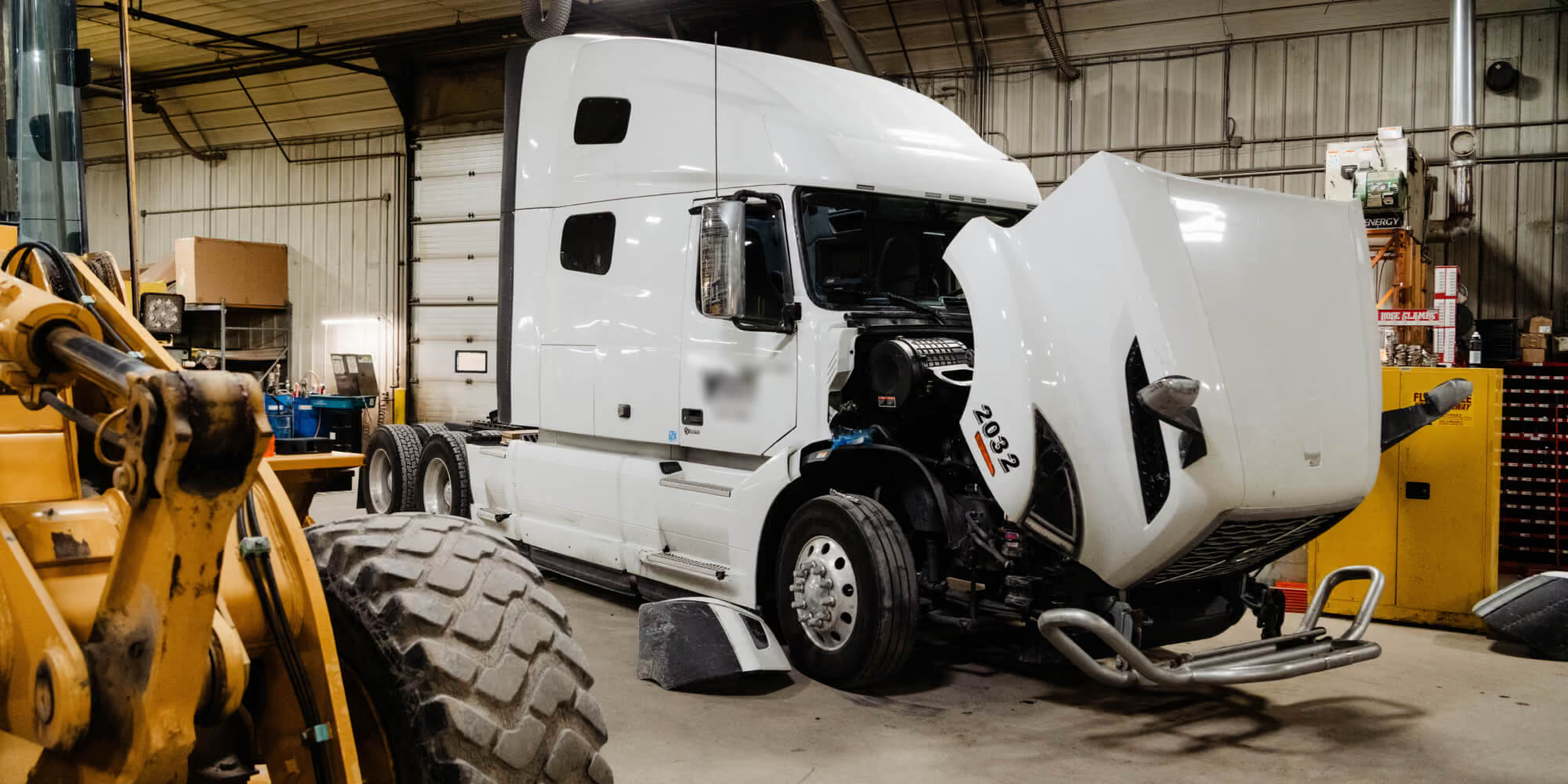
A fleet maintenance checklist is a structured list of inspection and service tasks your team repeats on a set cadence. Daily, weekly, monthly, and mileage- or hour-based steps keep commercial vehicles safe, compliant, and ready to work. It turns preventive maintenance into a documented routine drivers, managers, and technicians can follow the same way every time.
Whether you run delivery routes or long-haul freight, well-maintained vehicles help you meet customer commitments and protect driver safety and operational costs. Under 49 CFR Part 396, motor carriers must systematically inspect, repair, and maintain commercial motor vehicles (CMVs) under their control. High-performing fleets treat that duty as a living checklist, not a one-time form.
Cost and reliability trends underscore why the checklist matters. Repair costs and unplanned downtime add up fast when small issues go unnoticed. A clear fleet maintenance checklist helps you catch defects early, document work, and keep equipment productive as those pressures rise.
Why a Fleet Maintenance Checklist Improves Safety, Uptime, and Compliance
A fleet maintenance checklist spells out monthly, quarterly, and annual inspections. It also covers what drivers must check before every trip. That proactive rhythm reduces safety risk while supporting efficiency and profitability. Key benefits include:
- Promote safety and compliance: Preventive and routine maintenance protect drivers, passengers, and other road users. Regular checks of brakes, lights, and tires keep critical systems ready for the road and aligned with maintenance standards. During the 2024 CVSA International Roadcheck across North America, 77% of commercial motor vehicles and 95.2% of commercial motor vehicle drivers did not have any out-of-service violations. That pass rate is a reminder that inspection discipline still separates ready fleets from roadside risk.
- Extend vehicle lifespan: A checklist keeps oil changes, filter replacements, and other service items on schedule. Consistent follow-through reduces surprise part failures and expensive emergency repairs.
- Support regulatory compliance: Fleets must follow FMCSA inspection, repair, and maintenance rules under 49 CFR Part 396. Documenting work and closing defects promptly helps you show a complete maintenance record during audits and roadside reviews, and it supports steadier day-to-day operations. Pair the checklist with guidance on how to avoid DOT violations so vehicle maintenance sits alongside broader roadside readiness.
- Create proper documentation: Maintenance history shows how you meet Department of Transportation (DOT) expectations and gives managers a record for audits, claims, and continuous improvement.
- Protect fuel economy: Deferred maintenance can raise operating costs. For context, ATRI tracks tires as a separate line from R&M—another cost center that rewards inspection discipline. Industry-average tire costs (parts and labor) rose 6.4% to $0.050 per mile in 2025 for for-hire combination trucks.
When you run maintenance through a checklist, you build a safer environment for drivers and other road users. The same discipline prepares crews for roadside inspections that cover the items on your fleet inspection checklist.
Critical Components of a Fleet Maintenance Checklist
A strong fleet maintenance checklist covers vehicle inspection, preventive service, and safety-critical systems. Use the components below as a practical backbone. Always follow OEM schedules and your carrier's written maintenance program for mileage- and time-based service intervals.
Daily Pre-Trip and DVIR Checks
49 CFR §396.13 requires a driver to be satisfied that a vehicle is in safe operating condition before driving it, and to review the last driver vehicle inspection report. §396.11 sets Driver Vehicle Inspection Report (DVIR) rules for reporting defects that could affect safe operation or cause a mechanical breakdown. Your daily checklist should mirror those inspection families so drivers catch issues before they become out-of-service conditions.
At minimum, align pre-trip and post-trip checks with the equipment called out in Part 396 driver inspection requirements:
- Service and parking brakes
- Steering mechanism
- Lighting devices and reflectors
- Tires, horn, wipers, and rear-vision mirrors
- Coupling devices
- Wheels and rims
- Emergency equipment
When a driver reports defects, the motor carrier must correct them before the vehicle is operated again and document the certification required under §396.11. Retain inspection and repair records for the periods Part 396 requires. If a driver operates more than one vehicle, complete the required inspection and reporting steps for each vehicle. For how inspectors score vehicles in the field, review the six levels of DOT inspections so drivers know what a Level I walk-around can uncover.
Cadence note: Treat walk-around and DVIR items as daily (every shift). Spot-check the same systems after harsh weather, yard moves, or any event that could damage lights, tires, or body components.
Routine Service and Tune-Ups
49 CFR Part 396 requires everyone involved in CMV inspection and upkeep to keep parts and accessories in safe and proper operating condition. That includes frame assemblies, suspension systems, and related equipment. Thorough inspections plus timely repairs slow premature wear, extend vehicle life, and protect drivers and other road users.
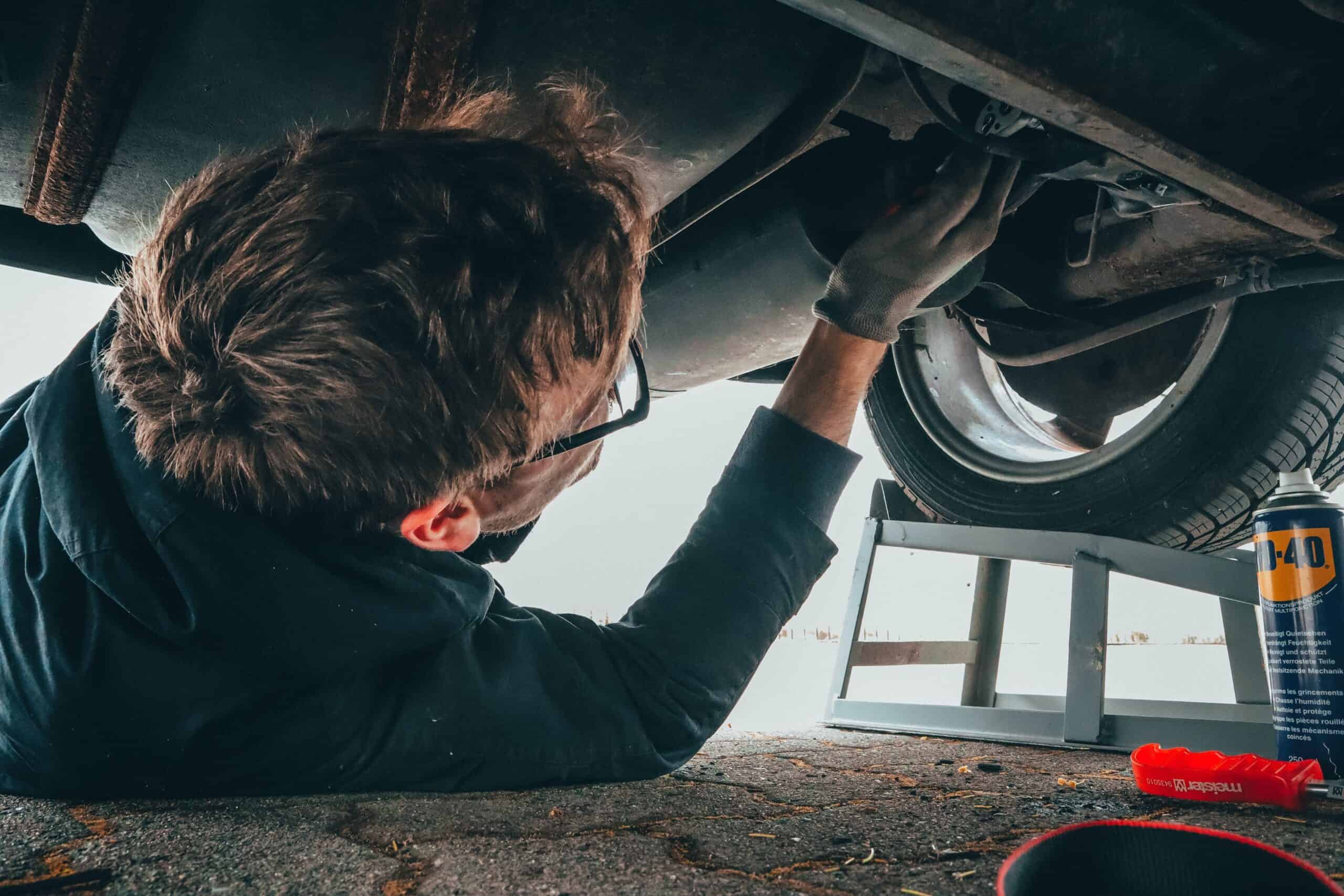
Cadence note: Schedule oil, filters, belts, and manufacturer-specified tune-up items on mileage- or hour-based intervals. Add a monthly review of open work orders so deferred items do not pile up. Align annual or periodic inspections with §396.17 requirements.
Safety System Checks
Regular testing catches wear and malfunctions before they become out-of-service conditions. Common safety checks include:
- Brake pads, rotors, and related connections for performance and response
- Headlights, taillights, turn signals, and brake lights for correct operation
- Mirrors free of cracks or damage that block the driver's view
Roadside programs continue to emphasize these systems. Pairing daily light and brake checks with deeper monthly brake and suspension reviews helps you stay inspection-ready—especially with 2024 CVSA International Roadcheck results showing that 77% of commercial motor vehicles did not have any out-of-service violations.
Tire Pressure, Tread, and Condition
Checking tire pressure, tread depth, and overall condition is essential for safe operation. The CFR includes detailed tire maintenance requirements in §393.75. Adequate pressure helps prevent blowouts. Sufficient tread supports stability and braking performance.
For periodic inspection standards under Part 396 Appendix A, steer tires generally need at least 4/32 inch of tread, and other tires at least 2/32 inch. Build those minima into your fleet vehicle inspection steps. Remove from service any tire with damaging cuts, bulges, or exposed fabric or steel.
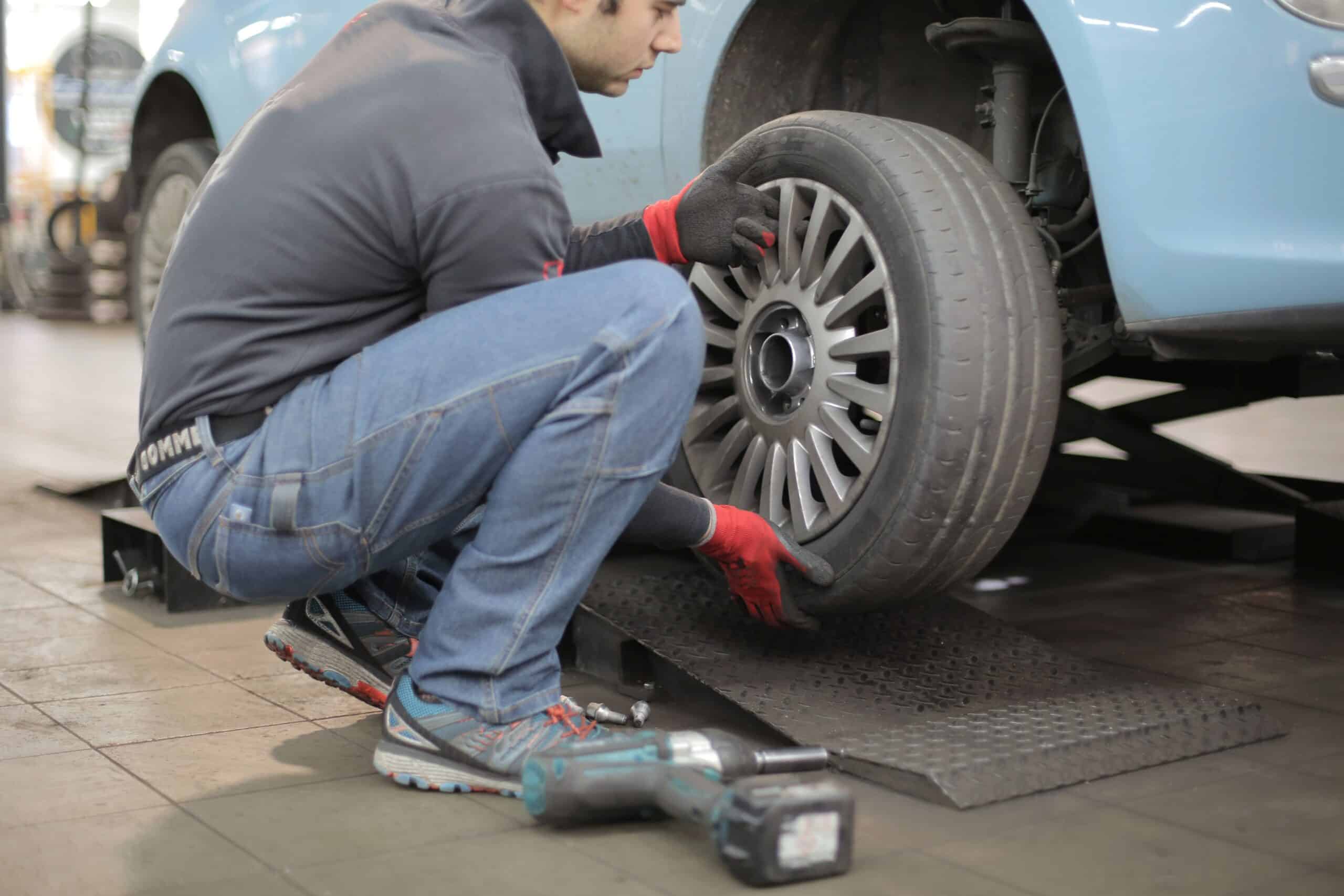
Cadence note: Check pressure and visible damage daily. Measure tread and inspect for irregular wear at least weekly, and after any curb strike or roadside event.
Fluids, Battery, and Consumables
A maintenance checklist should set a schedule for fluid levels and for investigating unusual noises or odors. In harsh weather, check more often because vehicles can consume fluids faster. Essential items include:
- Engine oil
- Coolant (antifreeze)
- Power steering fluid
- Brake fluid
- Transmission fluid
- Windshield washer fluid
- Differential fluid
- Transfer case fluid
- Battery condition
Battery testing helps prevent no-starts that delay deliveries. Look for corrosion, secure connections, and weak charge. Clean or replace batteries as needed.
Cadence note: Confirm critical fluids and battery health weekly on high-use assets, and before long dispatches. Align full fluid services with OEM preventive maintenance intervals.
How Fleet Technology Supports Your Maintenance Checklist
A checklist only works when people follow it. Leaders also need visibility into what happens on the road between shop visits. Netradyne's fleet management solution gives operations teams fuel, maintenance, and compliance insights that keep the checklist on schedule. Fleet safety technology strengthens the human side of it: Vision AI and multi-camera visibility that flag risky driving before it turns into a shop bill. Driver•i devices capture the drive, and the Netradyne platform helps teams act on what the cameras and AI observe.
Netradyne isn't a dedicated maintenance management system for parts inventory or shop work orders — it complements one:
- Full-drive context: AI analyzes driving continuously so teams can review risky and positive behaviors, not only a handful of triggered clips.
- Event video for investigations: When a collision, near miss, or equipment concern occurs, video and telematics context help you understand what happened and what to inspect next.
- Coaching that reduces vehicle abuse: In-cab alerts and structured coaching help drivers correct behaviors that stress brakes, tires, and other components.
- Recognition-based engagement: GreenZone Score and positive driver recognition help build a culture where safe operation is visible and rewarded.
- Documentation for compliance conversations: Incident and event records support how you review safety performance alongside your inspection files.
When you pair a rigorous fleet maintenance checklist with fleet management and fleet safety technology, managers gain a fuller picture. You can see which behaviors create risk between PMs and how coaching and inspection routines reinforce each other. For a deeper look at shifting from reactive fixes to planned performance, see how telematics transforms fleet maintenance schedules.
Fleet Maintenance Checklist FAQs
What should a fleet maintenance checklist include?
A complete fleet maintenance checklist should cover daily pre-trip and post-trip DVIR items. It should also include routine service and tune-ups, safety system checks, tire pressure and tread, and fluids and battery condition. Map each item to an owner (driver, technician, or manager) and a cadence so nothing sits only on a poster in the shop. Use Part 396 as the compliance backbone, then add OEM service intervals for your vehicle classes.
How is a DVIR different from a preventive maintenance checklist?
A DVIR is the driver's inspection reporting process under §396.11 and §396.13. It captures defects found around a run and feeds the carrier's repair-before-dispatch process. A preventive maintenance checklist covers scheduled service such as oils, filters, deeper brake work, and OEM interval tasks, usually owned by maintenance. You need both. DVIRs catch what fails between shops. PM checklists keep wear items from failing in the first place.
How often should you run fleet vehicle inspections?
Run walk-around and required driver inspection steps every shift. Review fluids, battery, and tire tread on a weekly rhythm for high-use vehicles. Perform deeper brake, suspension, and safety-system reviews monthly or per your program. Follow OEM and carrier schedules for mileage-based services, and complete periodic inspections required by Part 396. Increase frequency after extreme weather, body damage, or repeated fault codes.
Which safety checks matter most before a roadside inspection?
Prioritize brakes, lights and reflectors, tires, mirrors, wipers, coupling devices, wheels and rims, and emergency equipment. Those are the same families of items called out in driver inspection rules. Check tire pressure, damage, and tread minima with care. During the 2024 CVSA International Roadcheck, 77% of commercial motor vehicles and 95.2% of commercial motor vehicle drivers did not have any out-of-service violations.
How can fleet safety technology help without replacing maintenance software?
Fleet management tracks fuel, maintenance schedules, and compliance data alongside your checklist. Fleet safety builds on that with Vision AI and video telematics that reinforce checklist discipline on the road, coaching behaviors that stress components and capturing event video when something needs a closer look. CMMS or shop systems stay your system of record for parts, PMs, and work orders. Netradyne's fleet management and fleet safety solutions work alongside them, giving you operational visibility and safety coaching.
Final Thoughts
A fleet maintenance checklist works when it is specific, scheduled, and shared. Drivers own the daily commercial vehicle inspection. Technicians own preventive service. Managers own documentation, defect closure, and the link between roadside readiness and shop planning.
Fleet management keeps that system organized, and fleet safety adds visibility and coaching on top of it, so issues on the road inform what you inspect next.
Want a clearer view of how fleet management and Vision AI can support your maintenance program? Compare fleet vehicle maintenance tracking approach


Want to protect drivers & reduce costs?
That’s not a trick question. See for yourself with a demo.