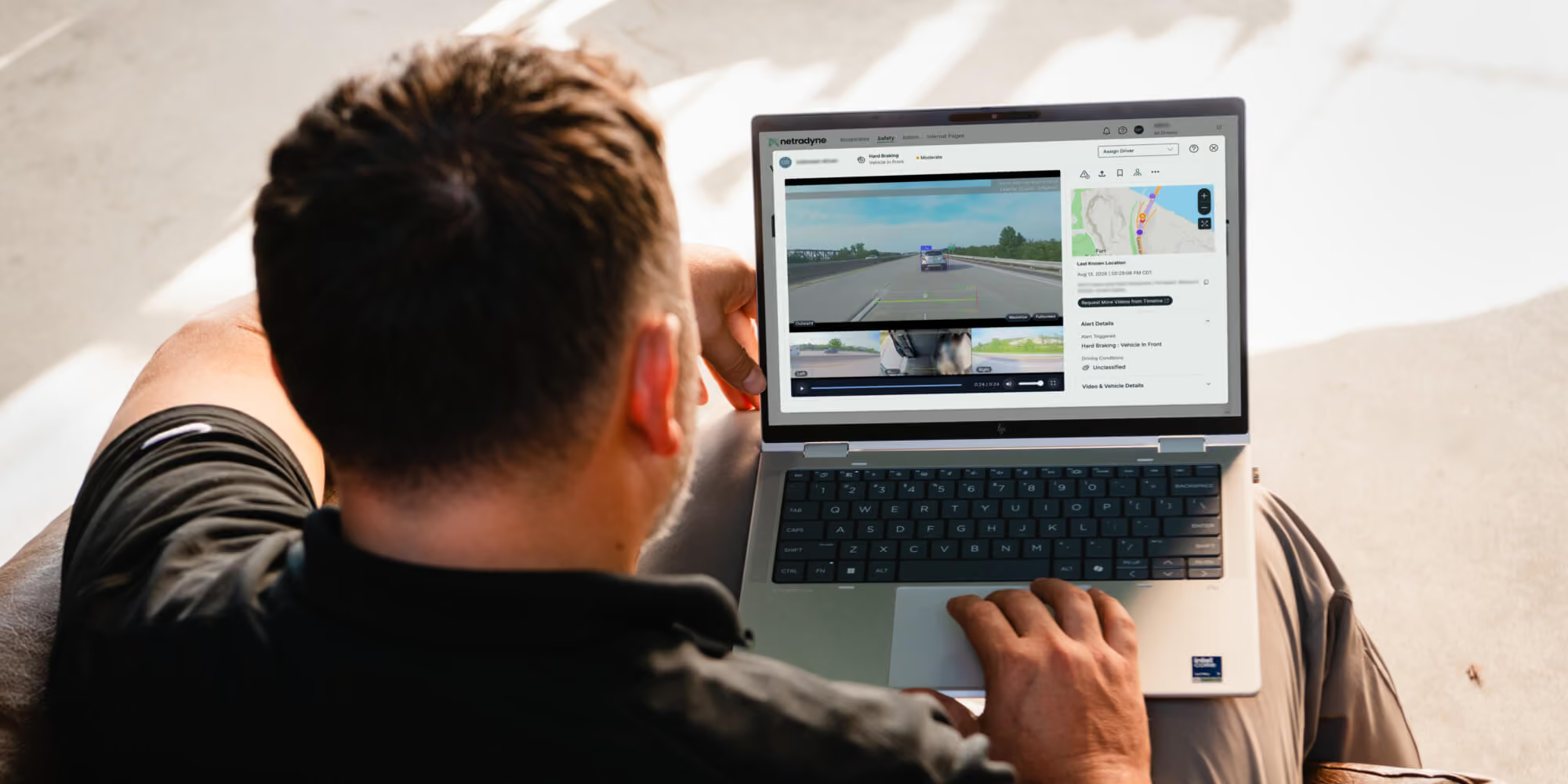
Video telematics combines in-vehicle video with GPS, sensor data, and AI analysis. Fleet managers can see what happened on the road, why it happened, and how to coach safer driving.
Before GPS and connected vehicle data, managing a fleet often meant relying on radio check-ins and delayed reports. Connected fleet management tools helped managers optimize routes, track driving patterns, and see location data in realtime. Today, location and sensor data sit at the core of fleet operations.
Adding video takes that foundation further. Managers can review what is happening inside and outside the cab, not only where a vehicle is. That context is why many teams treat video telematics as a core safety capability.
The stakes remain high. NHTSA reports 3,208 people killed and an estimated 315,167 people injured in 2024 crashes involving distracted drivers.
Industry analysis of AI safety programs also shows that layered video tools matter. Fleet Equipment reported a 73% crash-rate reduction over 30 months for fleets using dual-facing dash cams, in-cab alerts, and coaching. Those figures describe industry findings from Samsara’s 2025 Fleet Safety Report, not results from every fleet or platform.
Below is a clear look at what video telematics is, how the system fits together, and how fleets use it day to day.
What Is Video Telematics?
Vehicle telematics is technology that monitors and collects data from a connected vehicle. Common signals include GPS location, engine diagnostics, fuel use, speed, brake use, idle time, harsh acceleration, and impact. Operators usually view the data in software they use to manage people, assets, and routes.
Video telematics adds cameras and video analytics to that picture. The system still captures location and sensor data. It also records what is happening in and around the vehicle, including driver behavior, nearby traffic, and road conditions. For practical examples beyond the basics, see seven uses for video telematics.
A basic dash camera mainly records footage. A video telematics system connects that footage to vehicle data, GPS, AI event detection, and cloud workflows. You can coach drivers, reconstruct incidents, and act with fuller context.
Video is especially useful when a number alone is ambiguous. Harsh braking can look the same in a sensor log whether a driver cut it too close or avoided a sudden hazard. Video helps you see which story is true and turn the moment into training.
Components of a Video Telematics System
Modern video telematics solutions typically share these building blocks:
- Multi-camera video: Road-facing and driver- or cabin-facing cameras. Optional side and rear cameras expand visibility around the vehicle.
- Telematics sensors: GPS, accelerometer, and related vehicle data that timestamp speed, location, and motion with each event.
- Edge AI and event detection: On-device intelligence that flags risky or noteworthy moments without a manual review of every mile.
- ADAS-style alerts: Warnings tied to what the cameras and sensors see, such as following distance, lane departure, or collision risk.
- Drowsy monitoring system (DMS): Cabin-facing analysis that can detect advanced drowsiness.
- Wireless connectivity:A module in the camera or telematics device that uploads video clips and data.
- Cloud software platform: Systems that store, organize, and analyze events for safety and operations teams.
- Manager application: The dashboard or app fleets use to review footage, coach drivers, and track trends.
Capability still varies widely. Less advanced setups may offer limited views, manual control, and memory-card storage you pull by hand. More capable systems support hardwired multi-camera capture, automatic events, wireless upload, and timely alerts.
How Video Telematics Works in Practice
In day-to-day use, the flow looks like this:
- Cameras and sensors capture the drive and vehicle data.
- AI detects a risk event or a positive driving moment.
- The system packages a video clip with related telematics data (time, speed, location).
- Wireless upload delivers the event to the cloud platform and alerts managers when needed.
- Teams review the event for coaching, recognition, claims, or operations follow-up, and some systems prompt the driver in the cab right away.
That loop is what turns raw video into a safety and operations workflow.
Benefits of Video Telematics for Fleets
Advanced video telematics helps fleets protect drivers, control cost, and run more reliable service. Four outcomes show up most often:
- Lower operational expenses. Video evidence can exonerate drivers when another party is at fault. Clear footage also reduces claims friction and long disputes, which ties directly to fleet insurance and risk outcomes.
- Safer drivers. In-cab alerts and event video help coaches target real habits. Industry reporting links dual-facing cameras and steady coaching to stronger crash-rate gains.
- Better customer service. Dispatch can adjust routes when vehicle location is clear. Location data and, when needed, video context support clearer customer updates.
- Stronger driver retention and engagement. Safe miles and skilled avoidance maneuvers support fair recognition and rewards. Balancing coaching with positive recognition helps build a culture drivers want to stay in.
Solution Spotlight: How Netradyne Can Help
Netradyne builds an AI-powered fleet safety platform around Vision AI. The technology is designed to understand driving in context, not only to record triggered clips.
Driver•i devices bring multi-camera video, edge AI, and high-quality capture inside and around the vehicle. Teams can review side angles and roadway detail when they investigate an event.
Analyzing driving across the full trip helps managers see what led up to a moment. They can also see what the driver did well. Netradyne’s approach pairs risk detection with positive driver recognition.
DriverStars and GreenZone Score support rewards and coaching tied to how someone actually drives. Based on Netradyne customer data, the platform delivers about 99% AI alert accuracy, built on more than 25 billion miles analyzed. A 50-point GreenZone Score improvement is associated with a 13–15% reduction in accidents per million miles (APMM).
Individual results and conditions may vary. Based on customer data.
Fleets in trucking, logistics, construction, utilities, food and beverage, waste, and field services use this model. They reduce collisions, simplify coaching, and strengthen claims documentation with clearer video evidence.
Video Telematics FAQs
1. What Is Video Telematics?
Video telematics is the combination of in-vehicle cameras, vehicle sensors, GPS, connectivity, and software analytics. Together they help fleet teams monitor driving, investigate events, and improve safety and operations with video context, not sensor data alone.
2. How Does Video Telematics Work?
Cameras and sensors capture the drive. AI flags notable events and attaches vehicle data such as speed and location.
Clips upload to a cloud platform where managers review, coach, recognize strong driving, or support a claim. Some systems also alert the driver in the cab as the event happens.
3. What Is the Difference Between a Dash Camera and a Video Telematics System?
A dash camera’s primary job is to record video. A video telematics system connects video to telematics data, AI event detection, wireless workflows, and fleet software. You can act on what the cameras see through coaching, safety management, and incident response.
4. How Does Video Telematics Improve Fleet Safety?
It surfaces risky behaviors early, supports in-the-moment alerts, and gives coaches concrete examples to review with drivers. Video also protects drivers when evidence shows they were not at fault.
Distraction remains a major national risk. NHTSA’s 2024 figures show thousands of lives lost and hundreds of thousands injured in distraction-involved crashes. Tools that detect distraction and support coaching are central to many safety programs.
5. How Does AI Improve Video Telematics?
AI reviews camera and sensor input at scale, tags events worth human attention, and reduces the need to scrub hours of footage manually. On advanced platforms, edge AI can process video on the device for faster alerts. Vision AI can also recognize positive driving, not only mistakes, so recognition and coaching work together. For the architecture difference, see trigger-based systems versus edge computing.
Final Thoughts
Video telematics joins cameras, vehicle data, wireless connectivity, and software so you can understand road events in context. Done well, it helps lower avoidable cost, strengthen safety programs, and recognize the drivers who keep your operation steady.
Not every solution delivers the same depth of AI, coaching support, camera coverage, or alert quality. Choose a platform that matches how your safety team actually works.
Learn more about Netradyne’s AI-powered fleet safety platform and Driver•i devices.


Want to protect drivers & reduce costs?
That’s not a trick question. See for yourself with a demo.