Act on fatigue risk before it becomes an incident.


A complete response to drowsiness risk.

Detect sooner

Intervene in stages

Escalate when it matters
Fatigue builds in stages. Your response should too.
Detect drowsiness
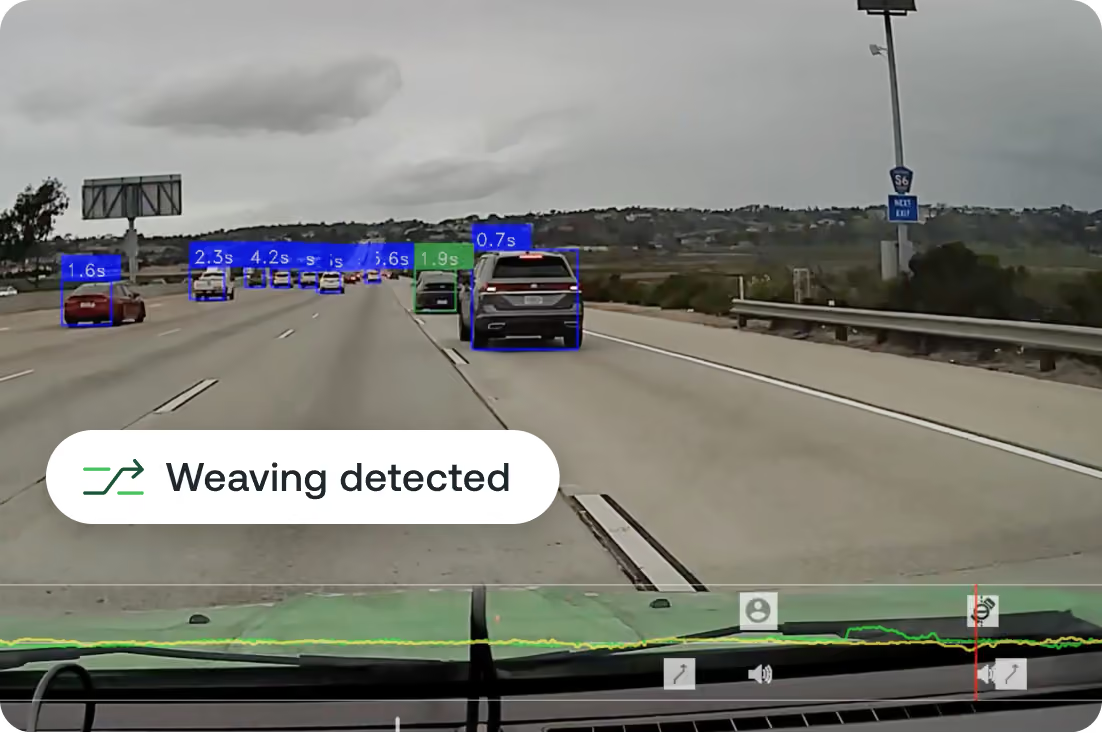
Intervene in the moment

Review with full context
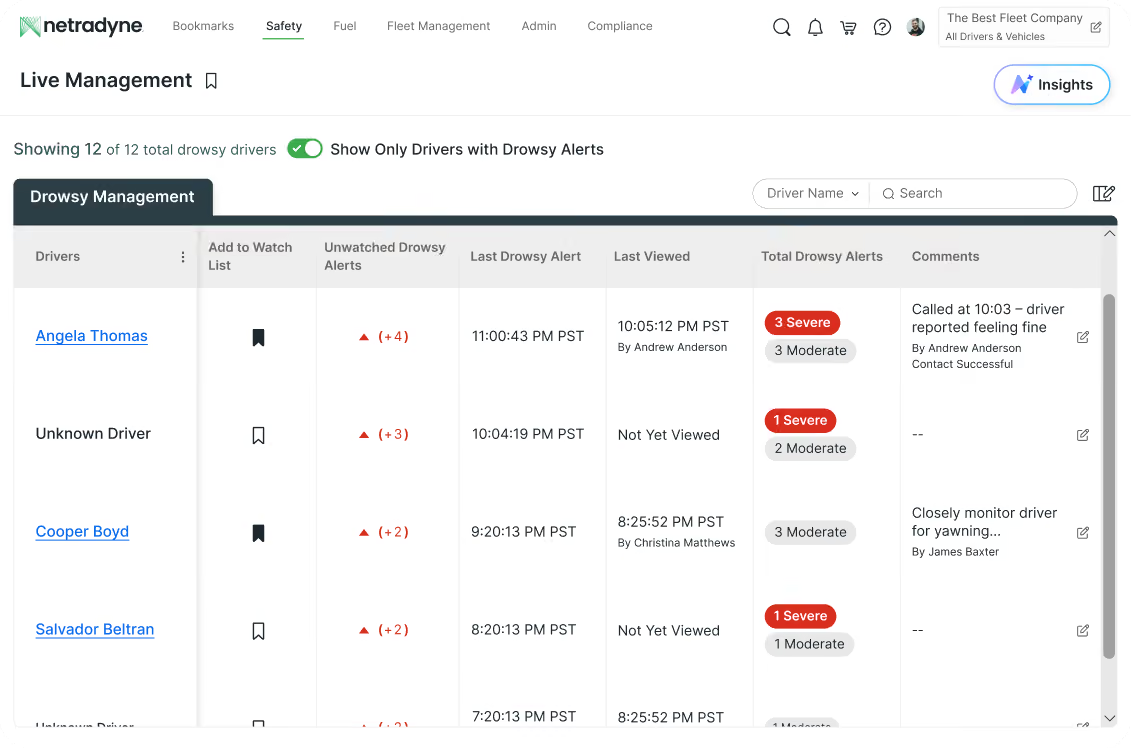
Act with confidence
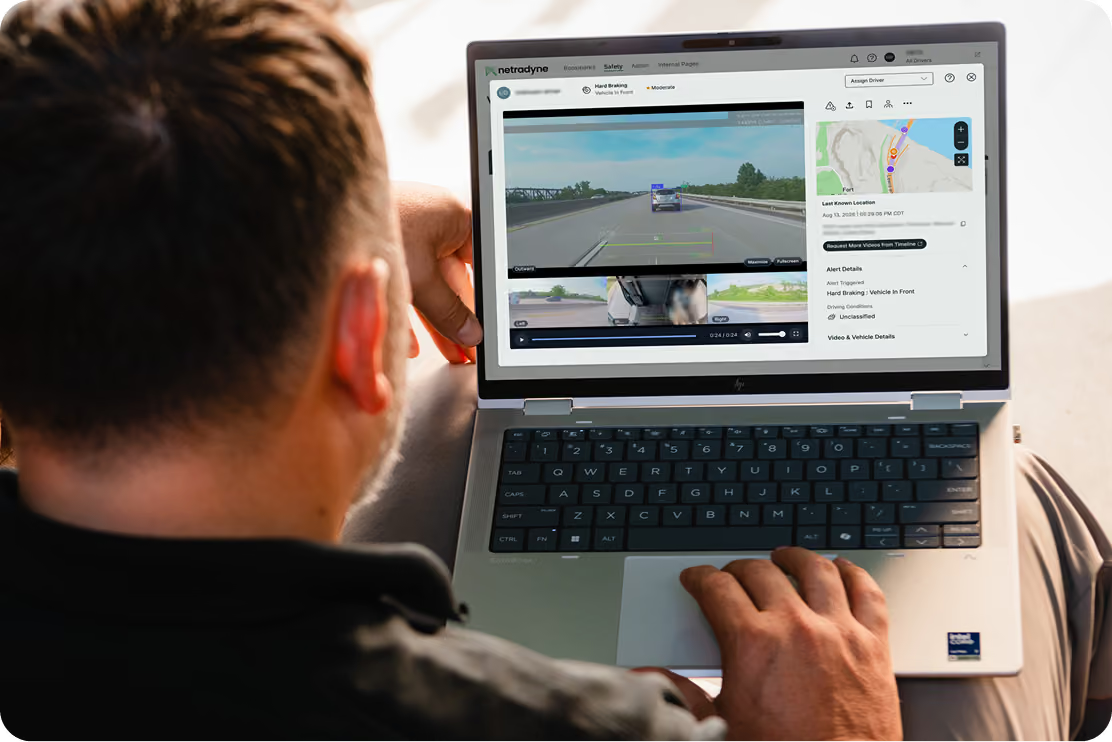

MMC Materials reduced distracted driving by an estimated 77% through real-time intervention with Driver•i in-cab alerts.
Proven drowsiness detection, built in.
Netradyne cameras detect visible signs of drowsiness throughout the drive and alerts drivers in real time.

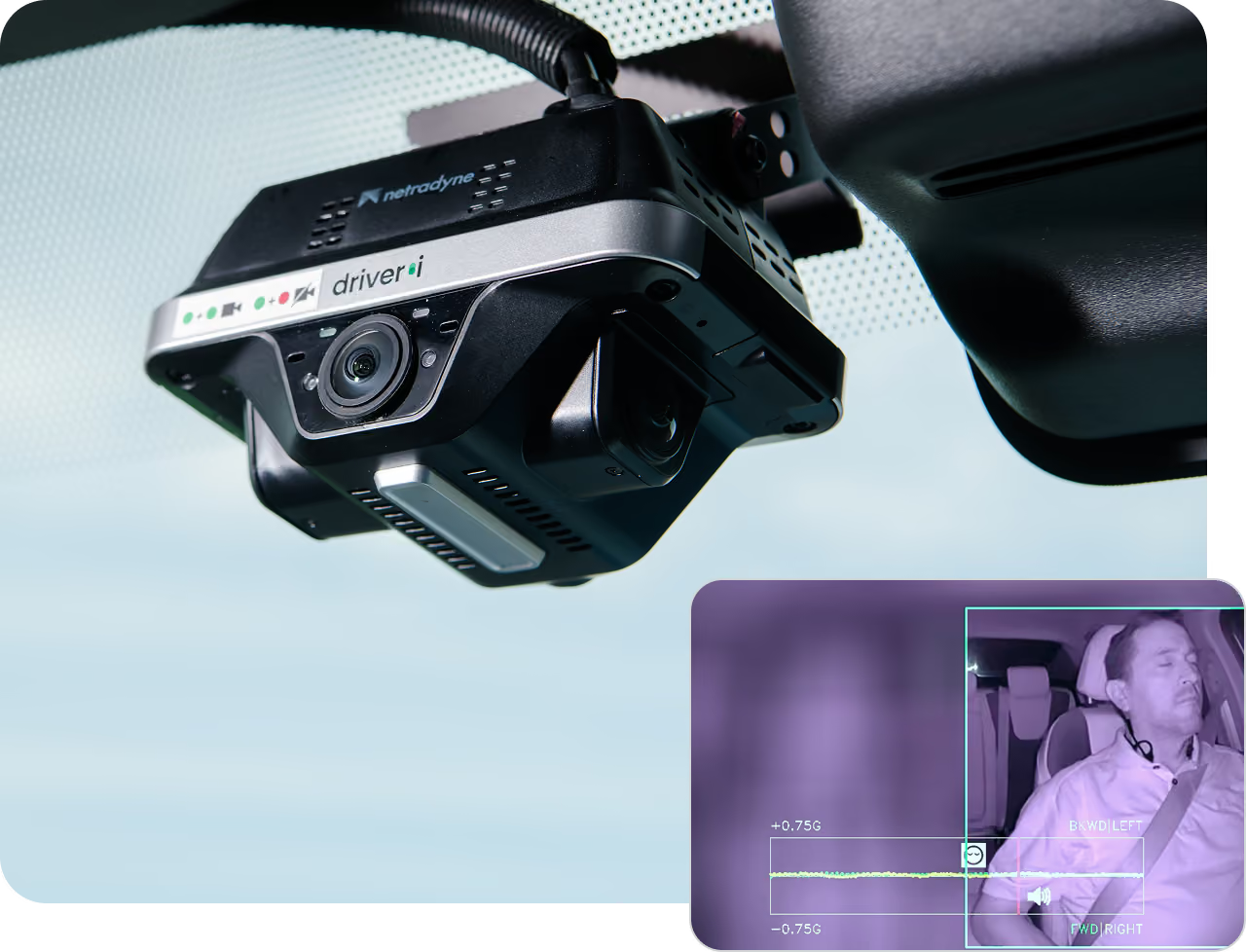
More direct sensing. Stronger intervention.
Measure eye-based signals directly
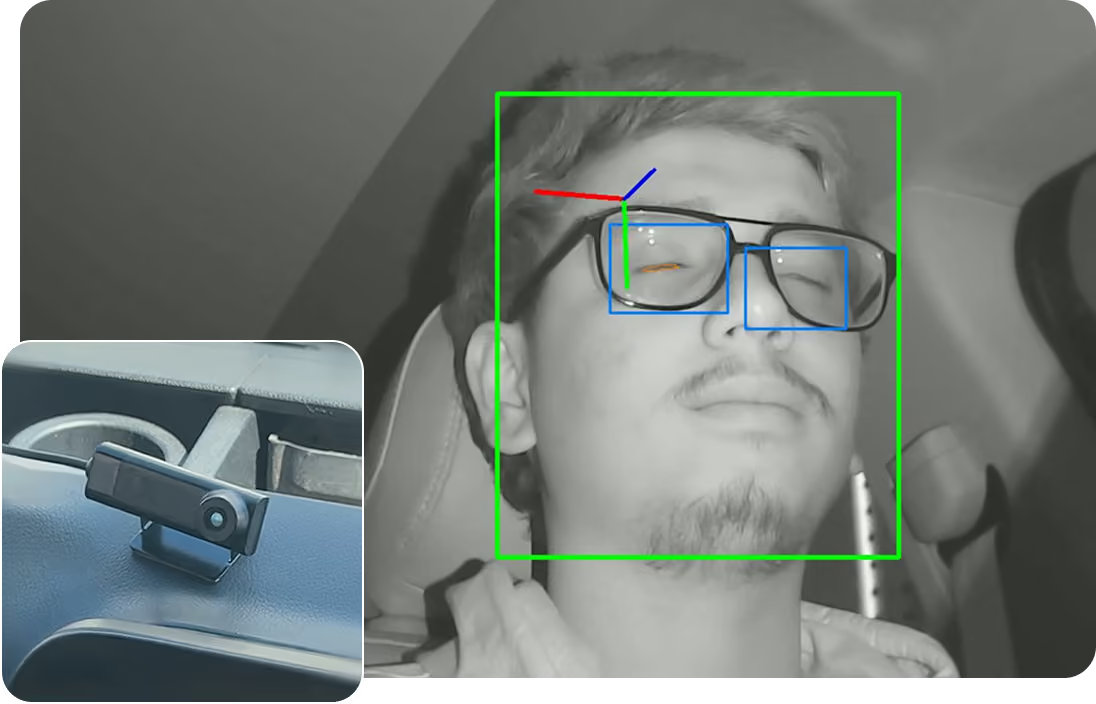
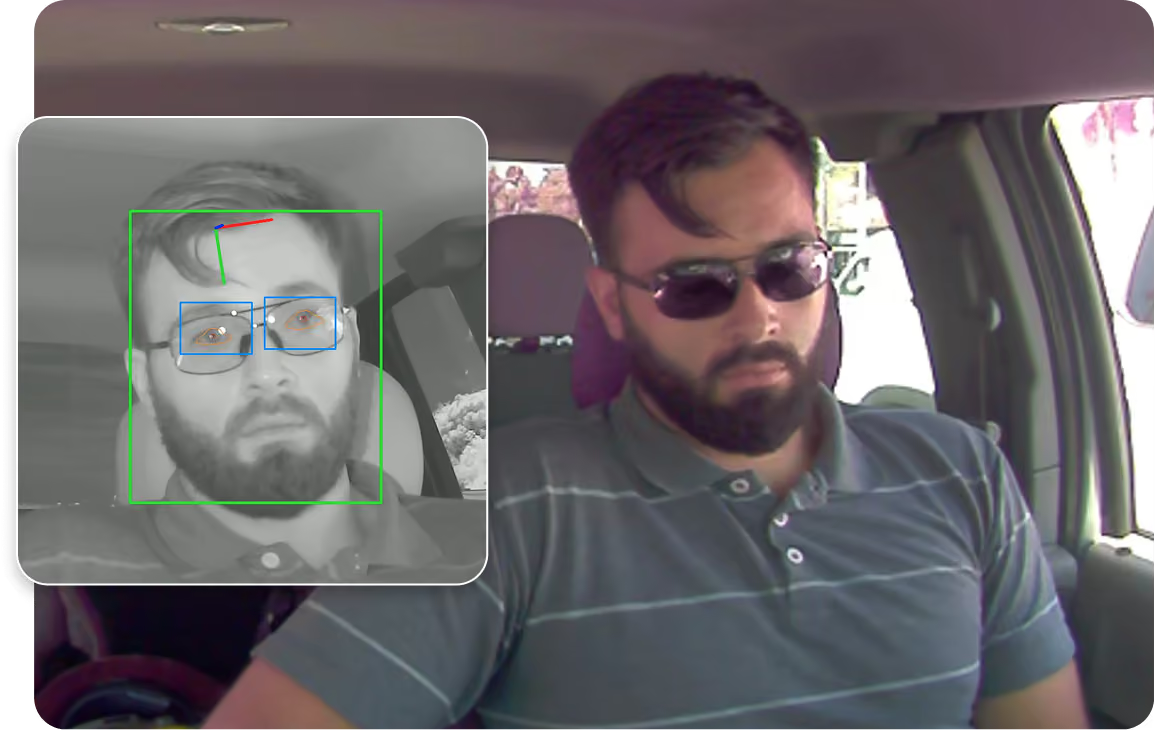
Perform in demanding lighting conditions
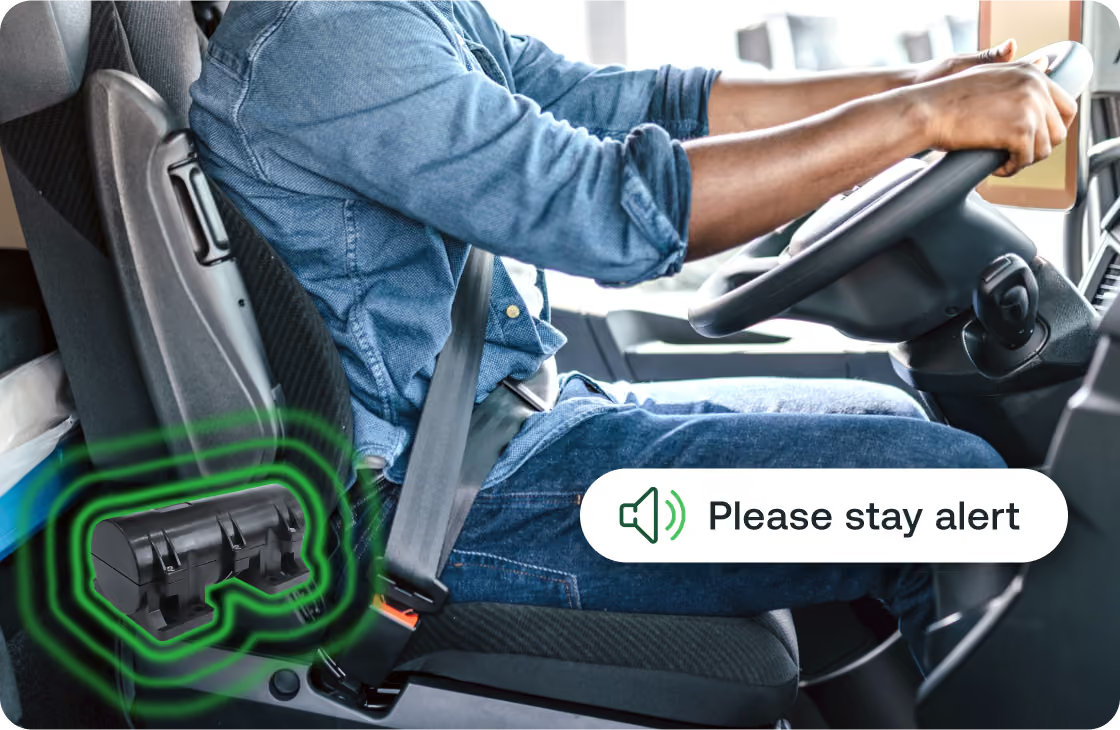
Strengthen driver intervention
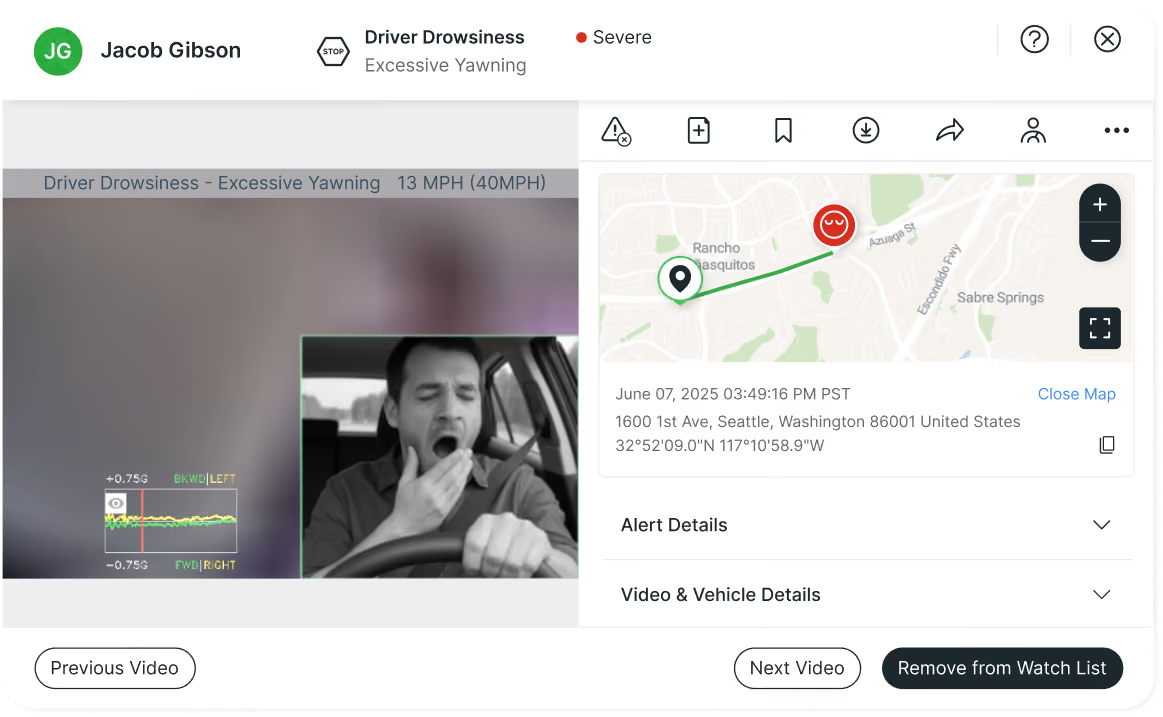
Escalate high-risk events

Drowsy driver instances dropped 74% at Hitachi Cash Management, alongside a 50% reduction in accidents.
Get the alerts that need action.
Severe fatigue events are analyst-reviewed and escalated to designated managers by email or SMS.


“Now we know who our high-risk drivers are, where we didn’t before.”
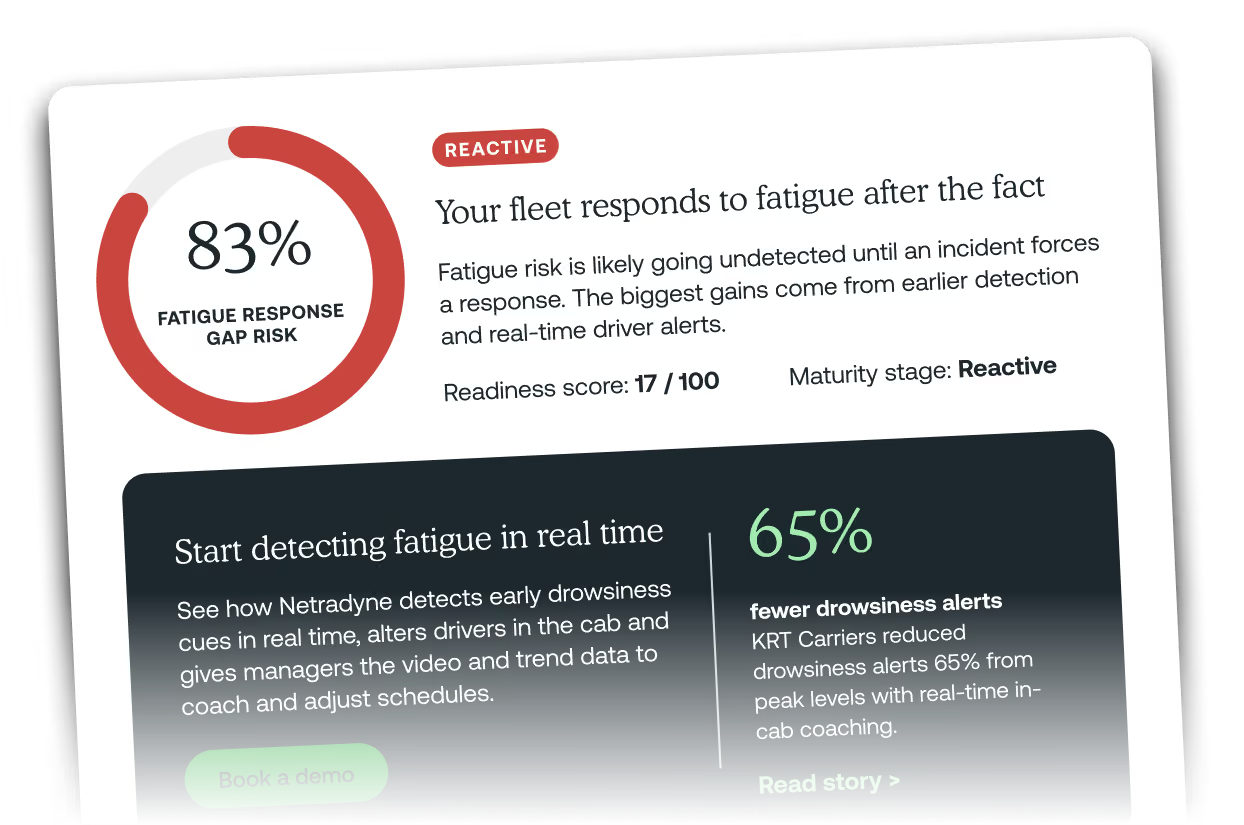
How ready is your fleet to respond to fatigued drivers?

Give every team a clear role when fatigue risk develops.
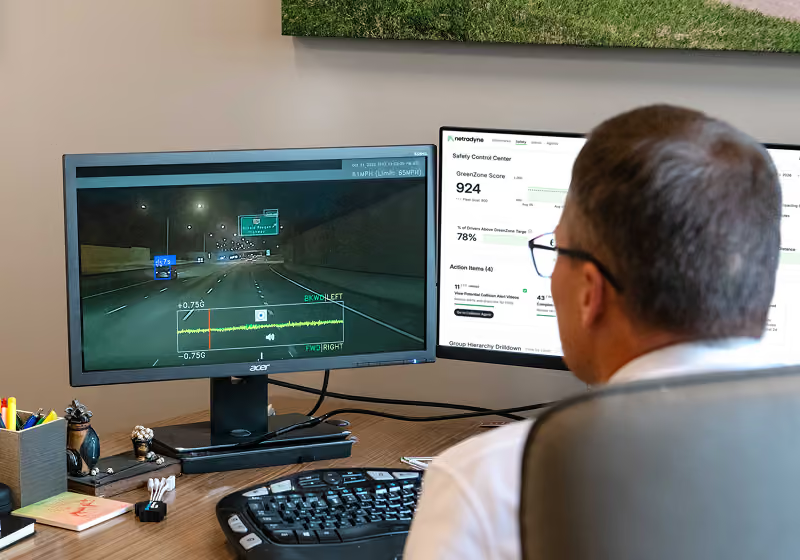
Safety leaders
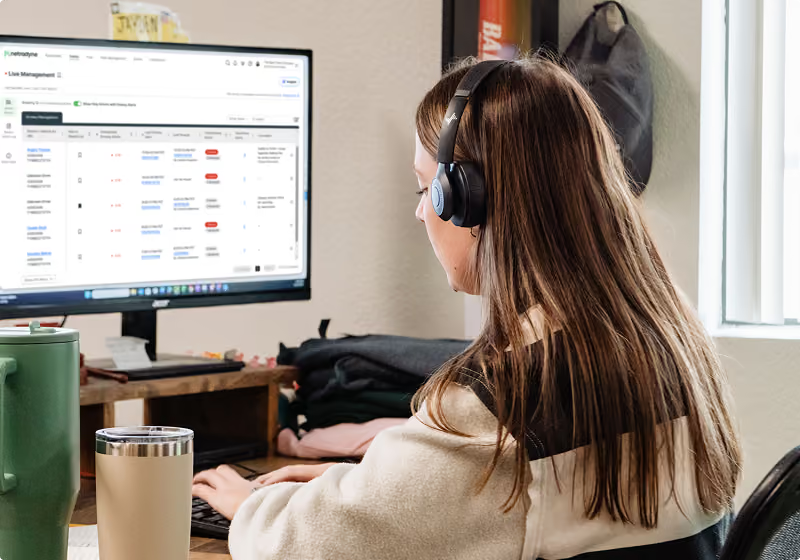
Operations and dispatch
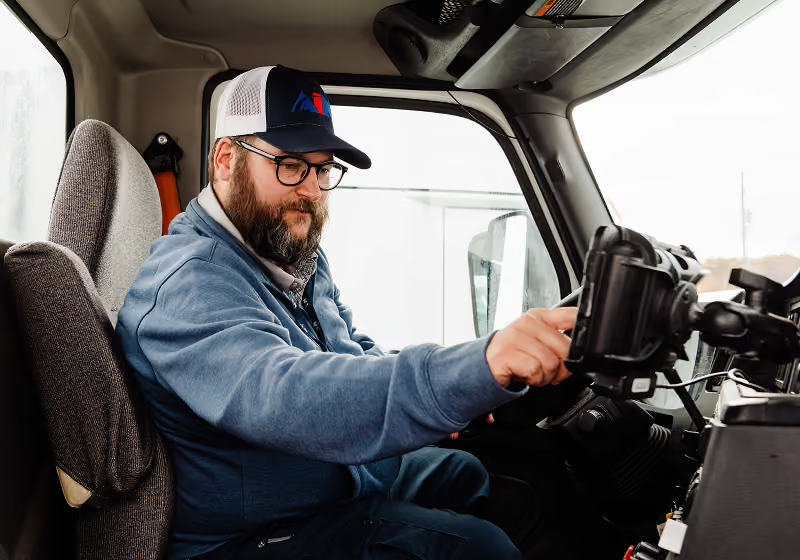
Drivers
Protect drivers. Manage your fleet. One platform.
Fleet Management
Better road safety is thanks enough, but awards are nice too. Our honors include being an industry leader in fleet safety solutions, a trusted service provider and an employer of distinction.


Champions Awards
Netradyne Driver Drowsiness Detection is an AI-powered drowsiness detection system that helps fleets detect driver drowsiness risk, alert drivers in real time and manage follow-up through the Netradyne platform. It helps warn drivers early, before fatigue leads to crashes and road accidents.
Standard uses Netradyne's camera-based detection and real-time in-cab audio alerts. Advanced adds the dedicated Fatigue Sensor to monitor eye-based signals directly, plus haptic seat vibration for an additional layer of driver intervention. Fleets using Advanced can also add optional Critical Notification Service for analyst-reviewed escalation of high-risk events.
Driver drowsiness slows reaction time and reduces driver attention. Tiredness behind the wheel is a known contributor to crashes and accidents, putting drivers, other cars and everyone on the road at risk.
A driver drowsiness detection system helps fleets detect fatigue as it develops, so drowsy drivers can rest or take a break before fatigue turns into accidents. That protects drivers and strengthens road safety across every route.
Standard uses Netradyne's windshield-mounted camera system and machine learning to identify visible drowsiness cues and alert the driver with real-time audio warnings.
Advanced builds on those features with a dedicated Fatigue Sensor device that directly measures additional eye-based parameters, plus haptic seat vibration.
Optional Critical Notification Service can further extend Advanced with analyst review and notification of high-risk events to designated managers.
Netradyne uses multiple signals to determine driver drowsiness, depending on the configuration. Camera-based detection uses machine learning to detect visible drowsiness cues on the driver's face and in head movements, such as excessive yawning, drooping eyelids and head nodding.
With Advanced, the dedicated Fatigue Sensor continuously monitors additional eye-based parameters, including blink rate, slow blinks and blink velocity, intermittent and extended eye closure, and microsleep. Together, these signals help determine the driver's alertness and level of driver attention.
When the system detects drowsiness, the driver receives a real-time in-cab driver alert: an audio sound designed to prompt a response, so drowsy drivers know to rest or take a break.
Advanced adds haptic seat vibration for an additional physical cue the driver can feel without taking their eyes off the road while driving. Events and driving context are also available through Netradyne management workflows for review and follow-up.
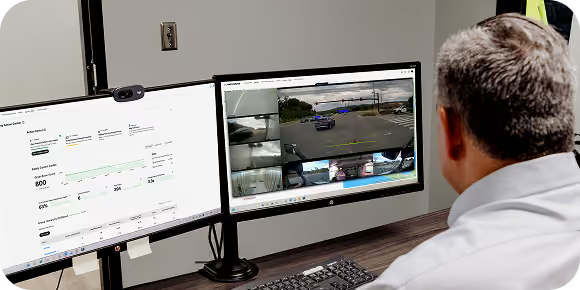
The Live Management Dashboard gives safety and operations teams a clear view of drowsiness events, affected drivers and event history, so they can monitor fatigue trends across every vehicle in the fleet.
Dashboard users can add Watch Lists, notes, video and shared workflows to identify repeat patterns, document actions taken and coordinate driver follow-up. That helps teams address fatigue risk before it leads to accidents.
Managers can review and monitor drowsiness events through the Live Management Dashboard.
With optional Critical Notification Service, which functions as an analyst-reviewed escalation layer, severe Fatigue Sensor events are reviewed and the system sends high-risk events directly to designated fleet contacts by email or SMS message, with relevant event and review context.
Yes. The dedicated Fatigue Sensor uses purpose-built infrared sensing to support low-light and overnight driving. The system supports prescription glasses and supported non-polarized sunglasses, as well as demanding environments with reflective PPE.
Polarized lenses can interfere with infrared sensing and may limit how well the sensor reads the driver's eyes.
Netradyne's approach to drowsiness driver detection looks directly at the driver, analyzing the driver's face, eyes and head movements to detect drowsiness as it develops. The system works with one consistent approach across every vehicle in your fleet.
Many factory systems in a car use a steering angle sensor to monitor steering movements and infer fatigue from how the steering wheel is handled over time. Steering angle sensor data reflects driving patterns such as steering movements, while Netradyne measures the driver directly.
Yes. Netradyne Driver Drowsiness Detection complements vehicle safetysystems built into many car and truck models, including automatic emergency braking. That system responds when a collision is imminent, while the drowsiness detection feature helps warn drivers earlier, as tiredness first shows up.
This function adds an earlier layer of protection, helping prevent road accidents and supporting road safety for every driver.


Want to protect drivers & reduce costs?
That’s not a trick question. See for yourself with a demo.