The 2025 HSE Fleet Safety Benchmark
Key findings from the European & UK HSE leaders survey on priorities, risk, and the shift to AI.




HSE Leaders Safety Concerns
Fleet Safety is closing the gap at record speed.
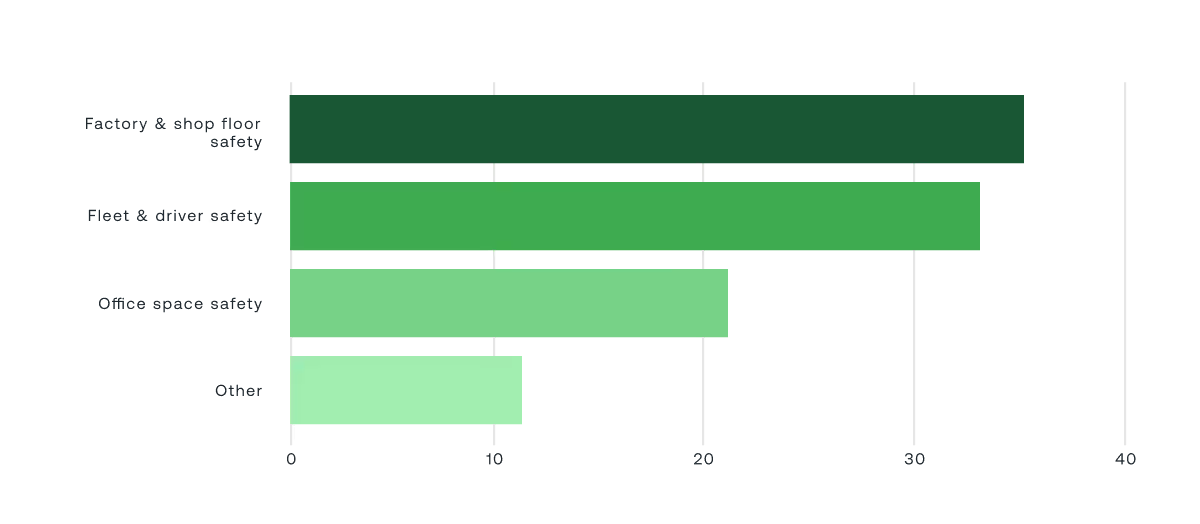
The majority of respondents (66%) come from fleet-intensive sectors
While Factory & Shop Floor Safety remains a staple concern, Fleet & Driver Safety has surged to statistically rival it (33% vs 35%). This rapid ascent highlights a major shift: HSE leaders are expanding their mandate beyond the facility walls to address their most dynamic risk—the road.
Priority Reasons for Fleet-Safety Investment
The primary catalyst is the urgent need to reduce road accidents, followed by optimising operational costs.
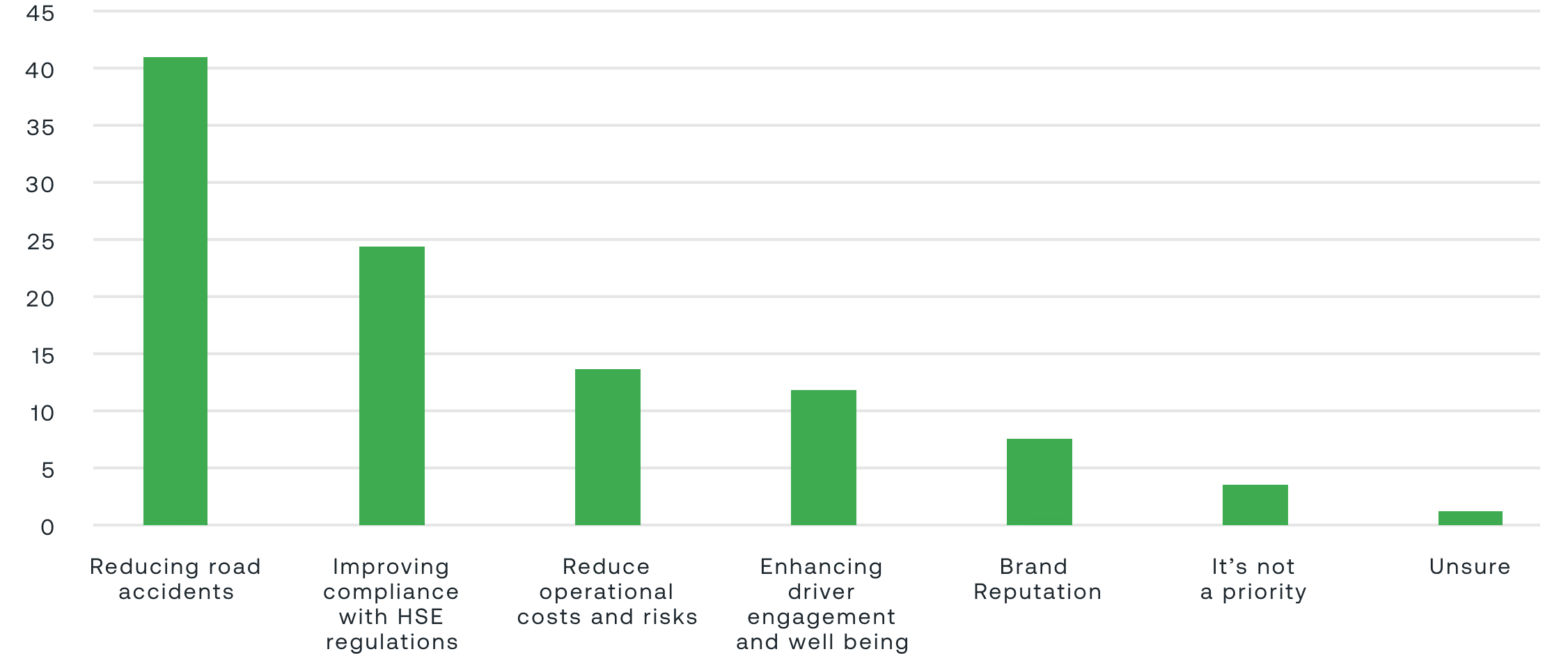
Accident Prevention is the primary driver. It is no longer just about compliance.
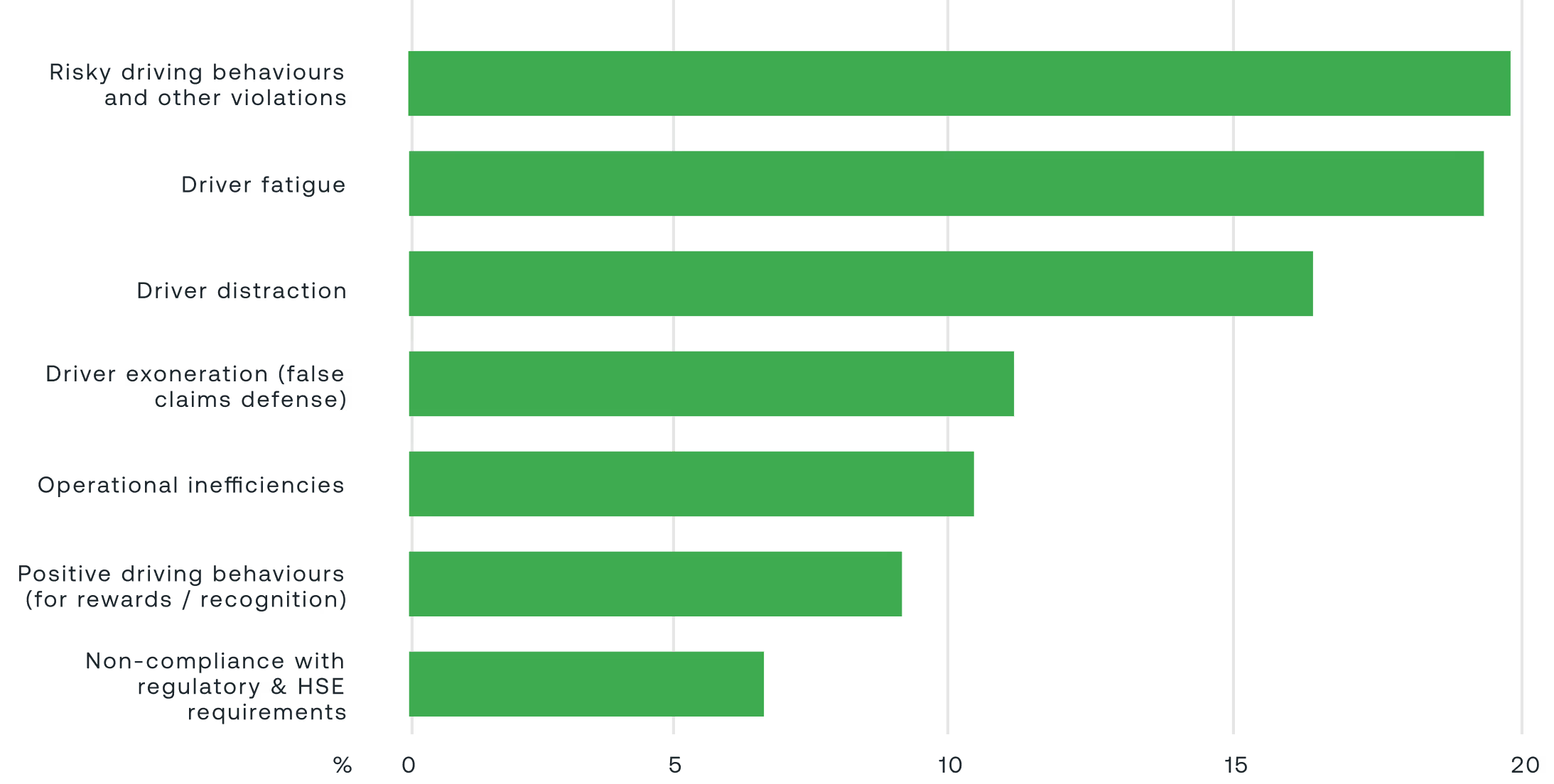
Most pressing fleet safety concerns
Positive Reinforcement is emerging as a critical new priority, with organisations increasingly recognizing the importance of rewarding safe driving behaviour rather than just punishing errors.
Accident Prevention is the primary driver. It is no longer just about compliance.
The 'Blind Spot' in current solutions to handle road accidents
‘Risky Behaviors' and 'Fatigue' cause accidents. Yet, 90% of the data utilized by leaders is non-video (GPS & Reports). This data cannot detect fatigue or distraction, leaving fleets unable to prevent the very accidents they fear.
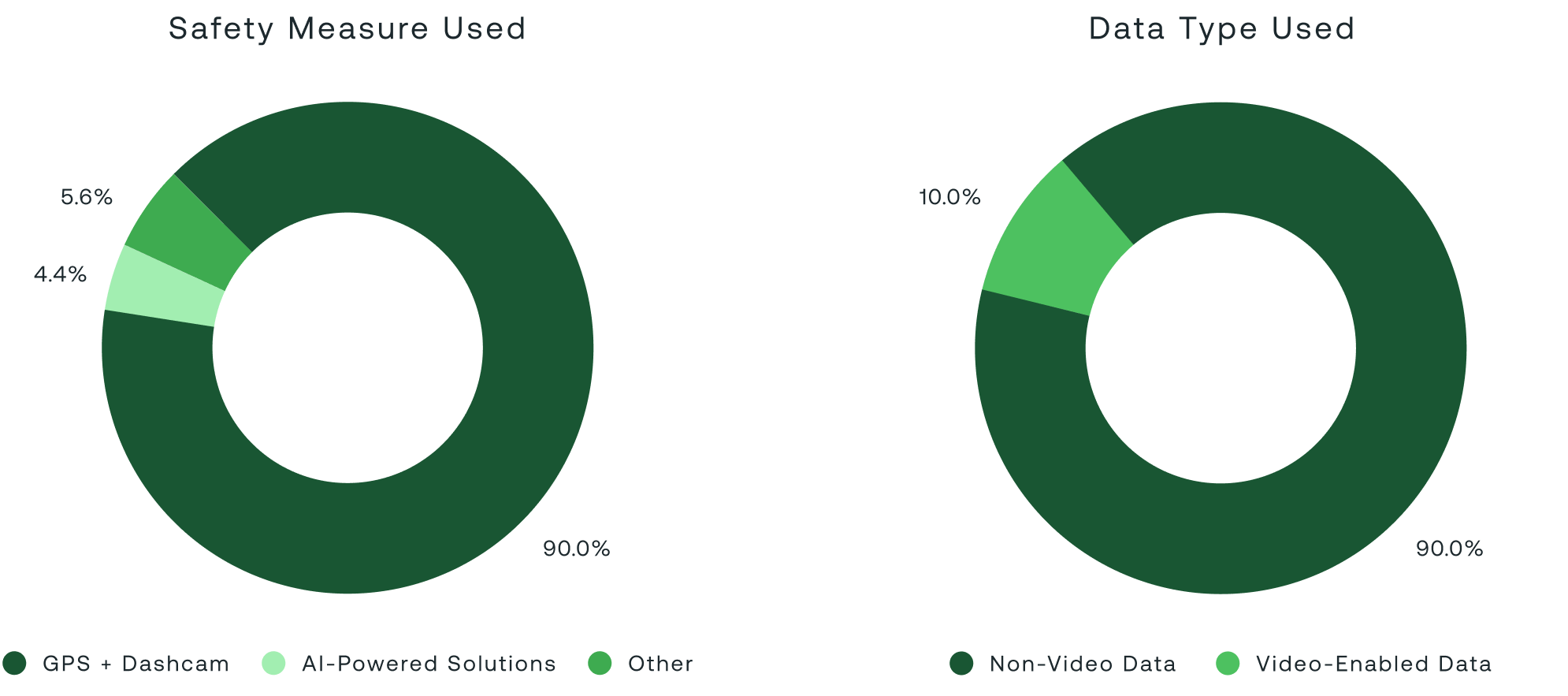
The majority of leaders are flying blind when it comes to real-time risk detection. Without AI-rich video insights, you cannot detect fatigue or distraction before an incident occurs.
This blind spot is even worse with our transport partners
While transport partners readily share schedule data (ETAs), they rarely provide safety transparency.
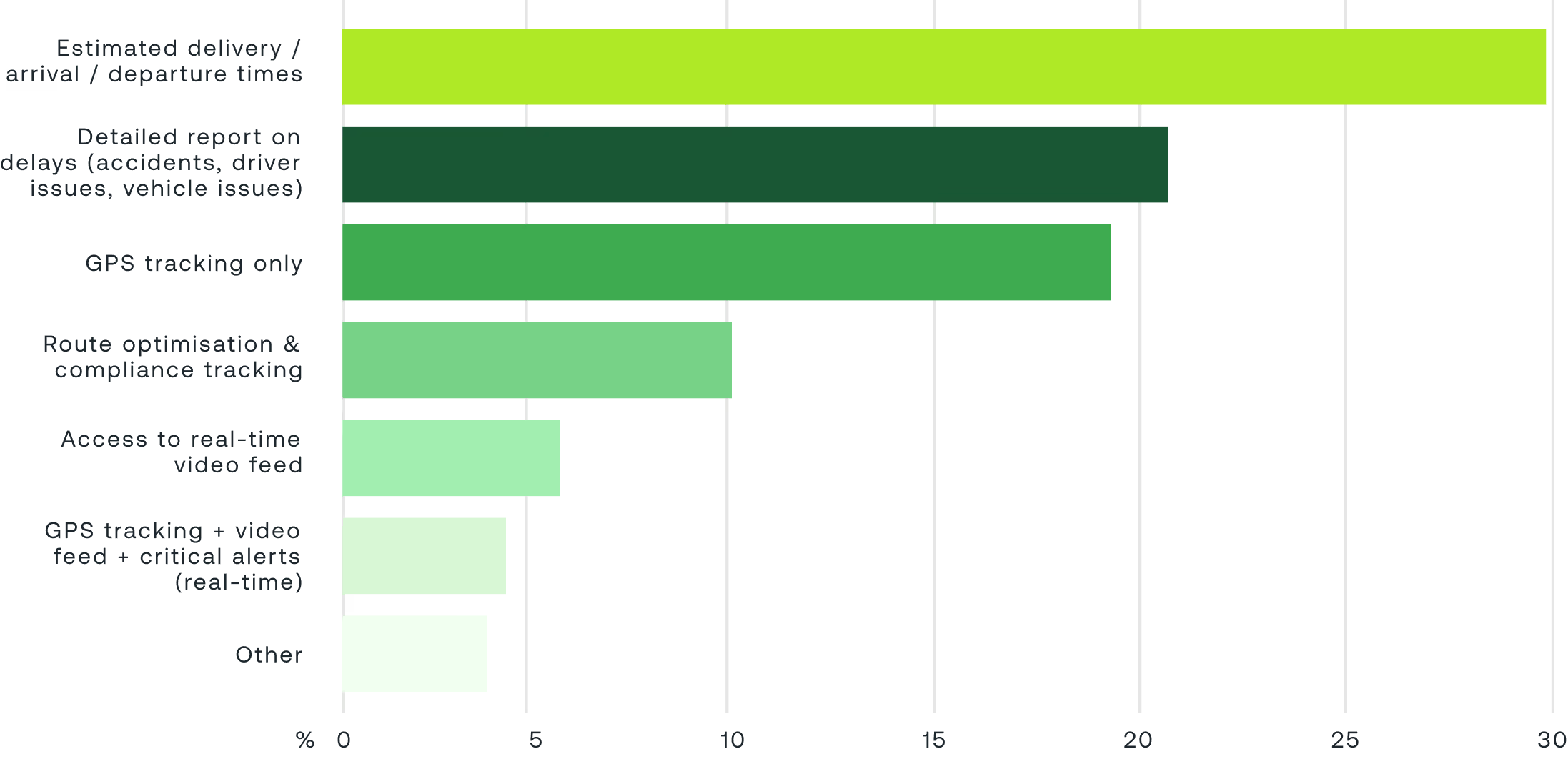
Safety Data Provided by Transport Partners
Why does this matter?
Without rich, real-time video intelligence, HSE leaders can’t:

Address driver and road-user behaviour

Take proactive, in-the-moment action

Protect against false claims or compliance lapses

Retain, engage and protect drivers

Ensure transparency during transportation
HSE Leaders are enabling transport partners to upgrade/update to AI based video telematics.
Closing the insight gap with vision-based AI technology and proactive driver coaching
From data collection to cost savings. The AI advantage.

Enhanced delivery precision and fleet visibility
Uniform safety standards across transport partners
Reduce road accidents & improve driver behaviour

Cost savings and increased profitability

100% GDPR-compliant safety insights

How fleet safety automation delivers value
AI’s real-world impact on fleet safety & driver wellbeing.

48% saw faster incident response

45% improved compliance reporting

20% actively recognise positive driving behaviours

40% observed better driver behaviour
40% cite driver engagement/welfare as a key priority
The road ahead: bridging the digital divide

70% of the target segment is mid-transition—open totransformation
48% will adopt AI safety tools in the next year

Only 4% have closed the insight gap with real-time video and alerts
39% are evaluating
Ready to elevate your safety strategy?
Let’s discuss how Netradyne’s AI can help you close the visibility gap in your own fleet or with transport partners.