How a three-minute roadside stop can cost $150K

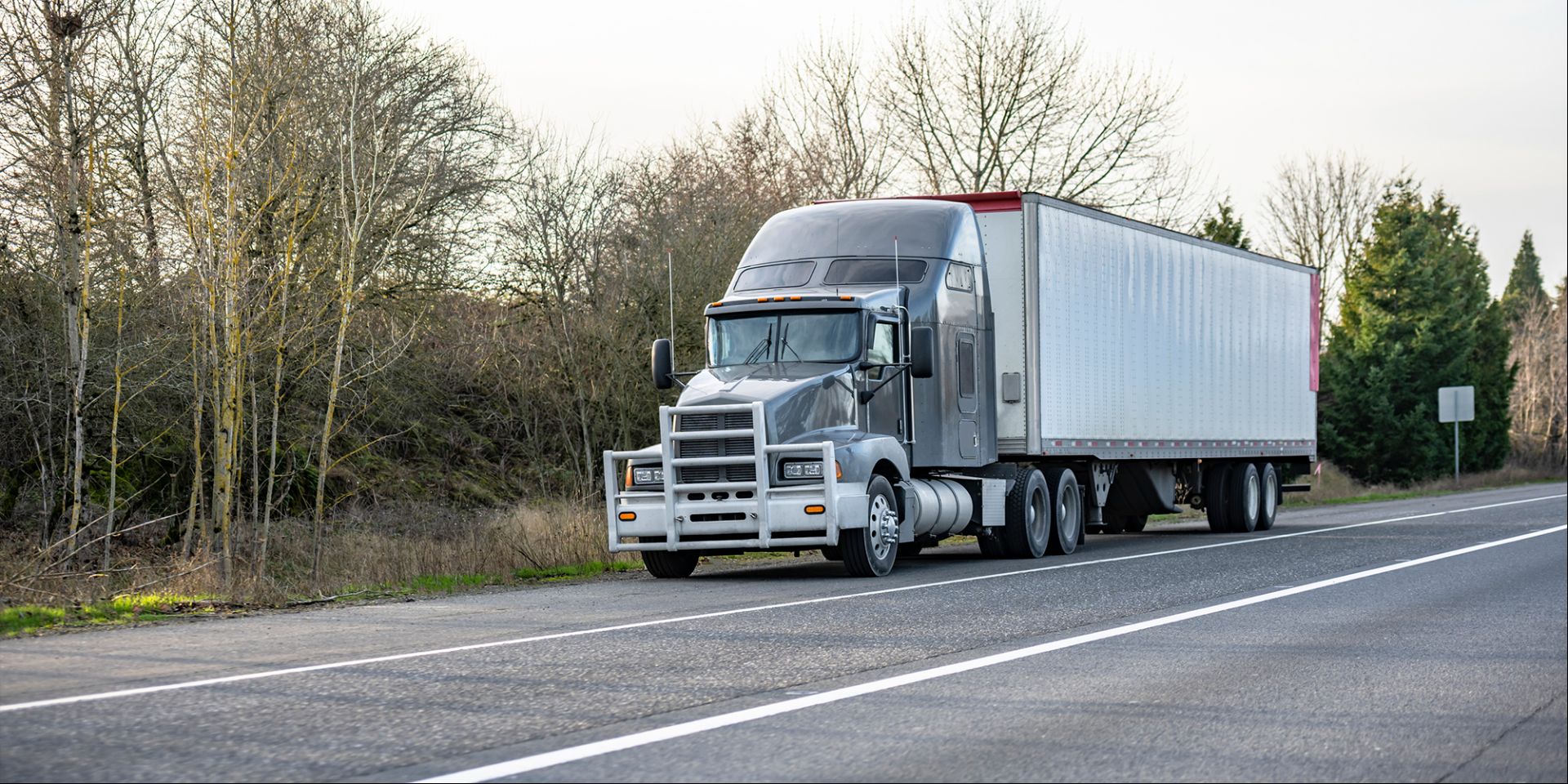
Every year, thousands of serious crashes occur not because a vehicle was moving recklessly, but because it was standing still in the most dangerous place possible — the roadside.
Breakdowns and emergencies will always happen. But increasingly, fleets are seeing vehicles pulled over on highways and roadways for non‑emergency reasons: checking a phone, adjusting a route, waiting for instructions, or taking a short break that feels harmless in the moment. Unfortunately, the data — and the crashes — tell a vastly different story.
Over the past 12 months, Netradyne’s AI powered safety platform detected and alerted on more than 393,000 roadside parking events, where vehicles were stopped on a highway or roadway for longer than three minutes without an emergency condition. Each of these alerts represents a moment of elevated risk — and, just as importantly, an opportunity to intervene before a crash occurs.
Why Roadside Parking Is So Dangerous
When a vehicle stops along a roadway, especially on high-speed corridors, it introduces a sudden and unexpected obstacle into an environment designed for flow. Passing drivers may be distracted, fatigued, or traveling at highway speeds, leaving seconds — or less — to react.
Common contributing factors include:
- Limited or no shoulder space
- Reduced visibility around curves or crests
- Poor lighting or weather conditions
- Following drivers who are distracted or speeding
In many severe incidents, the parked driver did everything “right” once stopped — hazard lights on, reflective triangles deployed — yet the crash still occurred. The reality is simple: the safest roadside stop is the one that never happens unless absolutely necessary.
What the Data Is Telling Us
Netradyne’s system continuously analyzes vehicle behavior, location context, and duration of stops. When a vehicle stays parked on a roadway beyond three minutes — outside of recognized emergency scenarios — alerts are generated for both the driver and fleet management.
Over the past year:
- 393,000+ roadside parking alerts were issued.
- Each alert represented a potential exposure to a high severity crash.
- Thousands of fleets were given the chance to correct behavior in real time or through coaching.
These alerts are not about punishment. They are about awareness and prevention — reminding drivers that what feels like a short pause can carry outsized risk.
Turning Alerts into Prevention
Alerts alone don’t prevent crashes — action does. Fleets that actively respond to roadside parking alerts use them to:
- Coach drivers on safer stopping decisions.
- Reinforce company policies around emergency only roadside stops.
- Adjust routes or schedules to reduce pressure on drivers.
- Identify repeat patterns and intervene early.
Over time, fleets see fewer roadside stops, safer decision making, and a measurable reduction in risk exposure.
The Financial Impact: What One Avoided Crash Is Worth
While the safety benefits are clear, the financial implications are just as compelling.
To understand the potential savings, consider a conservative scenario:
- A single roadside related crash involving a commercial vehicle can easily exceed $75,000–$150,000 when factoring:
- Vehicle damage
- Insurance deductibles
- Cargo loss
- Towing and recovery
- Downtime and missed deliveries
- More severe incidents — especially those involving injuries — can reach hundreds of thousands or even millions of dollars in total cost.
Now apply that lens to Netradyne’s alert data.
If only:
- 1% of the 393,000 roadside parking alerts resulted in a preventable crash
- That equates to 3,930 avoided incidents
Using an extremely conservative $75,000 per incident, the estimated avoided cost is:
$294 million in potential losses prevented.
Even if the prevention rate was half of one percent, the savings still exceed $147 million.
These figures do not include:
- Legal exposure
- Nuclear verdict risk
- Brand damage
- Driver injury or loss of life
The true value of prevention is almost certainly higher.
A Culture Shift: From Convenience to Conscious Decisions
Most drivers who pull over roadside don’t believe they’re taking a risk. They believe they’re taking a moment.
Technology like Netradyne changes that equation by:
- Making risk visible
- Reinforcing expectations consistently
- Backing policy with data, not hindsight
Over time, this creates a culture where drivers ask a simple question before stopping:
“Is this truly an emergency or can I get to a safer location?”
That pause alone can be the difference between a close call and a catastrophic outcome.
The Road Ahead
Roadside crashes are among the most preventable — and most severe — incidents fleets face. With hundreds of thousands of alerts issued in just one year, the message is clear: the risk is widespread, but so is the opportunity to reduce it.
Every alert is a chance to intervene.
Every avoided stop is a crash that never happens.
And every prevented crash protects drivers, companies, and everyone sharing the road.


Want to protect drivers & reduce costs?
That’s not a trick question. See for yourself with a demo.